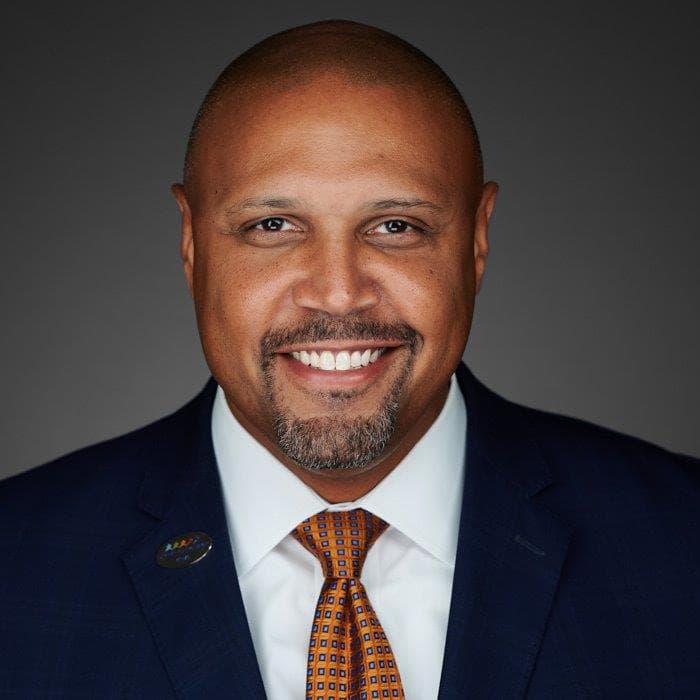
Max Langenkamp
Age 0 · Cincinnati, United States · co-founder of humans&
$400,000 in non‑dilutive funding let humans& skip the demo-day scramble and start building AI that improves how people work together in the real world.
 № 061Exhibit A
The Setup
Before humans&, Max Langenkamp spent years in the weeds of how machine learning actually gets built and shipped. At MIT he finished both a computer science degree and a Master of Engineering, then wrote a thesis on how open source machine learning software shapes AI, focusing on standards, interoperability, and community driven development.
That work did not just sit on a shelf. It was published and cited widely, and it forced him to study how ecosystems like Hugging Face create leverage for builders and for users. By the time he turned to company building, he had a clear view that simply scaling models was not enough, and that the hard part would be designing AI that keeps humans collaborating with each other instead of replacing their interaction.
The Evidence
On LinkedIn, Max lays out the core humans& thesis in plain language. He says he entered AI to empower humans, then realized that a future where people are connected to and collaborate with each other would not simply fall out of scaling up training, so humans& is built to center human interaction, collaboration, and coordination and to rethink humanity's role alongside advanced machines.
That story resonated with mission aligned capital. The Surdna Foundation, which backs efforts that drive inclusive economic growth, awarded humans& a $400,000 grant, and local coverage in Cincinnati framed him as a leader using AI to drive economic growth, enhance services, and foster a collaborative community spirit. Instead of chasing a pre product seed round, humans& secured a sizable pool of non dilutive funding to explore use cases where AI augments teams, communities, and public facing services.
The Mechanism
1. Academic credibility as lead funnel. Max turned a rigorous MIT thesis on open source ML into proof that he understands how AI infrastructure and standards evolve, which makes foundations and ecosystem players take his calls and treat humans& as a serious bet rather than a speculative idea.
2. A mission that speaks funder language. Instead of a generic productivity pitch, humans& positions itself as AI that strengthens human collaboration and community level outcomes, which dovetails with the Surdna Foundation's focus on economic opportunity and civic life and makes a $400,000 grant feel like an instrument to advance their own mandate.
3. Local ecosystem positioning. By showing up in Cincinnati as the person using AI to drive economic growth and better services, Max plugged humans& into an existing network of chambers, civic leaders, and philanthropies, turning regional visibility into warm introductions, early adopters, and grant based capital that does not dilute ownership.
The Steal
- Turn your thesis work or serious side research into a public artifact that proves you understand the infrastructure and incentives behind your market.
- Translate your product into the language of impact investors and foundations so non dilutive capital becomes a realistic first fuel instead of defaulting to equity rounds.
- Anchor yourself in a local ecosystem that wants AI stories, then become the go to builder for civic leaders and grant makers who need a credible partner.
Case Questions
- How did Max Langenkamp grow humans&?
- Max grew humans& by anchoring it in a clear research backed thesis about how AI should support human collaboration, then matching that thesis to the priorities of mission driven funders. His MIT work on open source machine learning gave him credibility with technical and philanthropic audiences, and he used regional visibility in Cincinnati to connect humans& to organizations that care about economic growth and community outcomes.
- How much funding did humans& receive from the Surdna Foundation?
- Humans& received a $400,000 grant from the Surdna Foundation. Because this money is non dilutive, it let the team explore product directions that align with human centered AI and civic impact without the immediate pressure of venture growth milestones.
- What does humans& do?
- Humans& builds AI systems that center human interaction, collaboration, and coordination instead of treating people as a byproduct of model scaling. In Max Langenkamp's description, the company is rethinking humanity's role alongside advanced machines so that future AI helps people connect and work together rather than replacing their relationships.
- What is Max Langenkamp's background before humans&?
- Before co founding humans&, Max completed a computer science and engineering degree and a Master of Engineering at MIT, where he wrote a thesis on how open source machine learning software shapes AI. That work, cited dozens of times in the academic literature, trained him to think about standards, interoperability, and community building, which now informs how humans& approaches product and ecosystem design.
Evidence Log
- MIT thesis PDF — How Open Source Machine Learning Software Shapes AI
- ACM Digital Library — How Open Source Machine Learning Software Shapes AI
- LinkedIn — Max Langenkamp profile and humans& announcement
- Cincinnati Regional Chamber — Max Langenkamp profile
- Facebook — Cincinnati Chamber annual dinner post mentioning his AI work