FounderForensics
We dissect how the youngest founders in AI actually grew. No hype. No “wow, they’re 17.” Just the mechanics of distribution — reverse-engineered, one case at a time.
The Method
- 01
The Subject
We pick a founder the timeline is losing its mind over — usually under 20, usually solo, usually AI. The age is the bait, not the story.
- 02
The Evidence
We pull the receipts: launch posts, follower curves, who funded them, where the first 10k users actually came from. Sourced, not vibes.
- 03
The Mechanism
We reconstruct the exact distribution loop that made it work — then hand you the part you can steal and run this week.
The Case Files
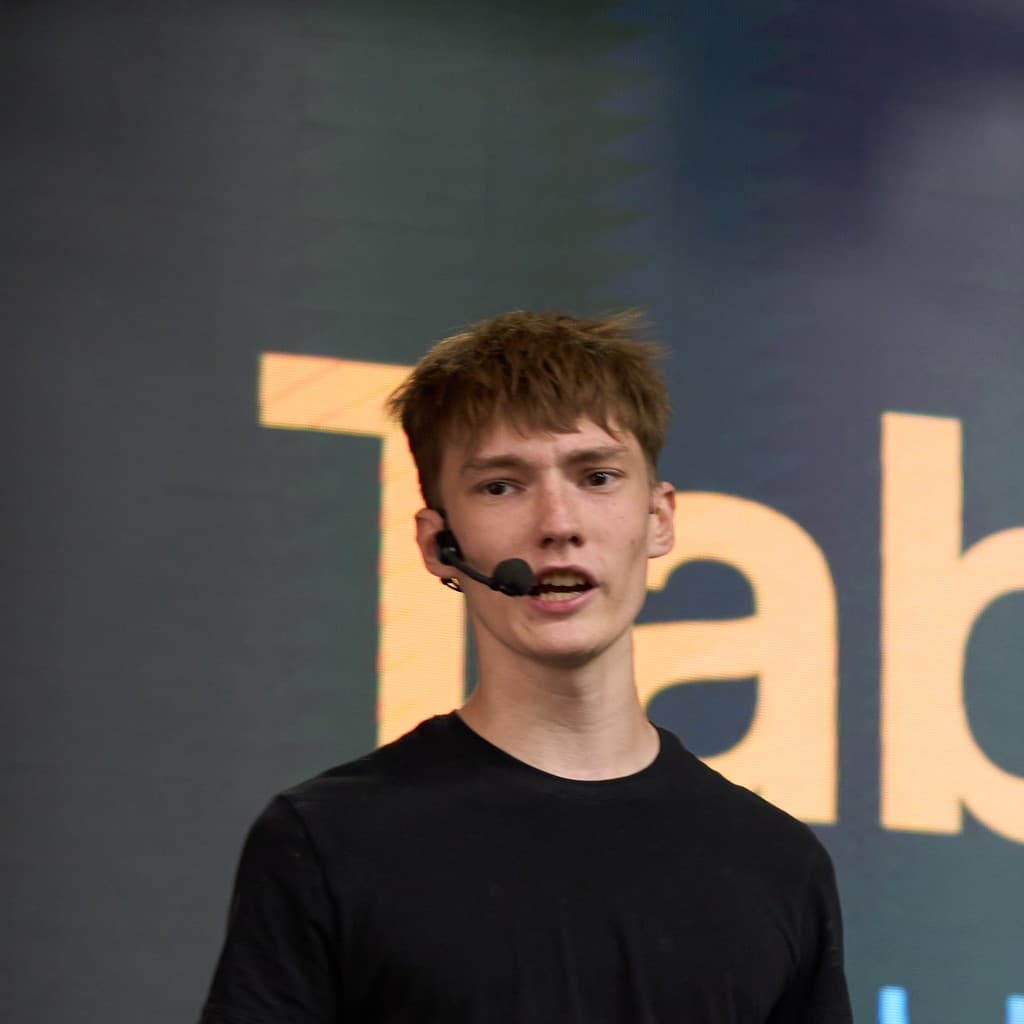 № 001Exhibit A
Igor Martynyuk
A 17-year-old from a Kazakh town shipped a Chrome extension to 20,000 users and raised $300K from a16z scouts — on $0 of ad spend.
Open file ▸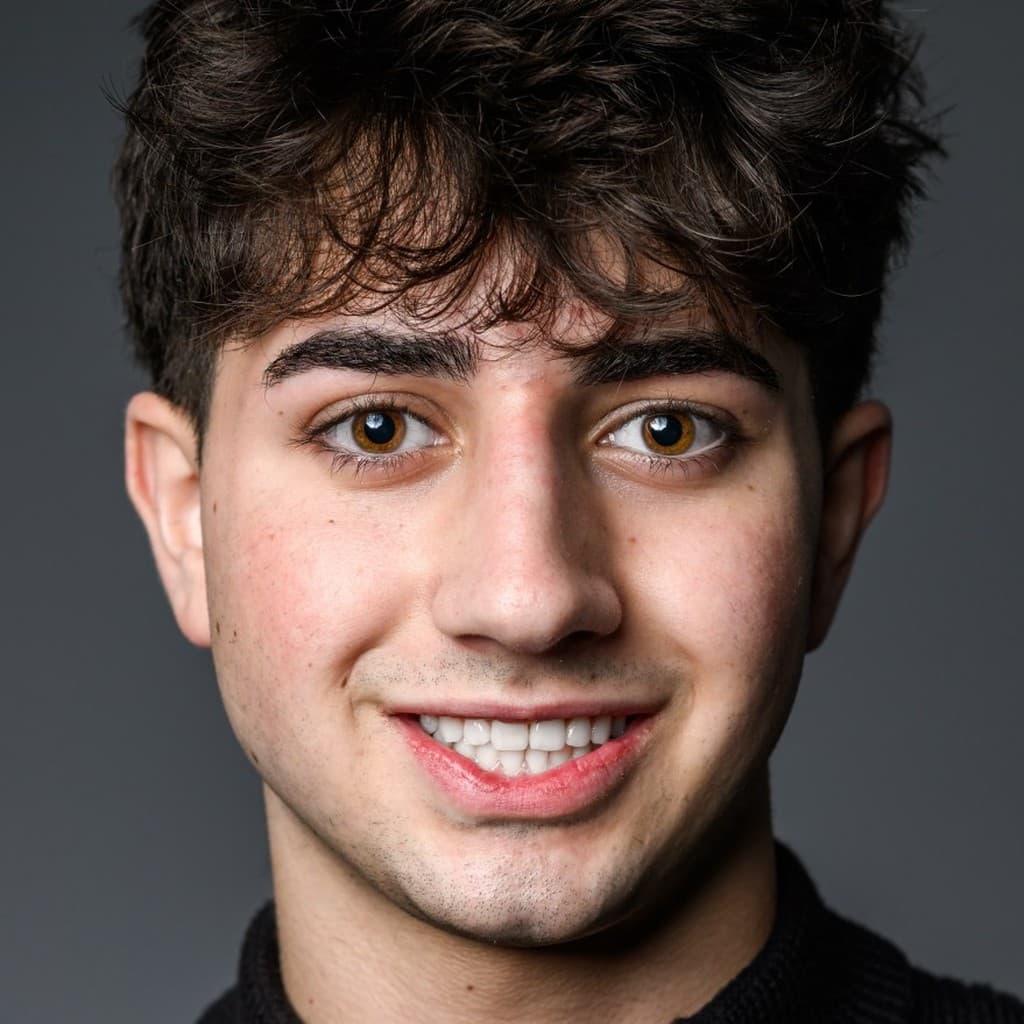 № 002Exhibit A
Zach Yadegari
He bootstrapped a photo-calorie app to $1M in four months and $30M+ in a year — then sold it to MyFitnessPal before turning 19.
Open file ▸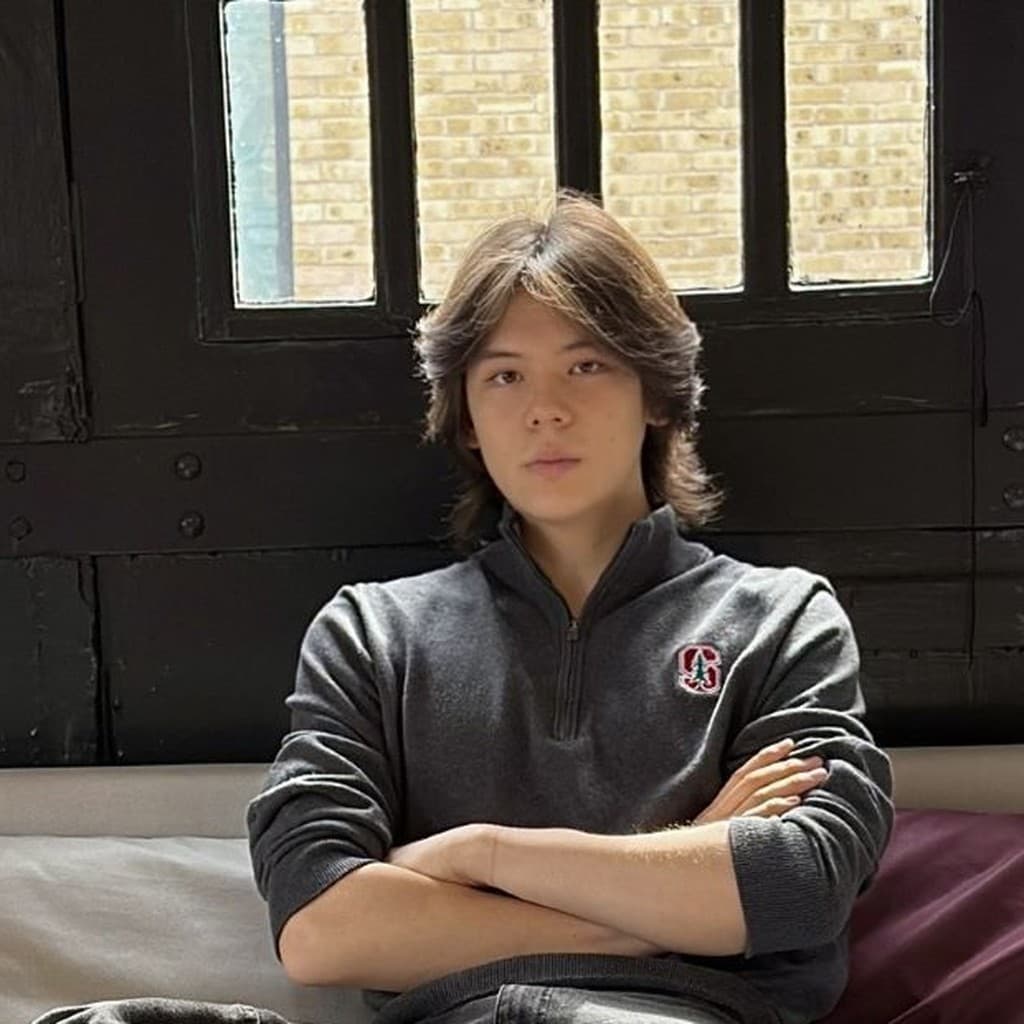 № 003Exhibit A
Arlan Rakhmetzhanov
He dropped out of high school in Almaty, raised a pre-seed in London in days, then $6.2M for an AI “context layer” that makes coding agents smarter.
Open file ▸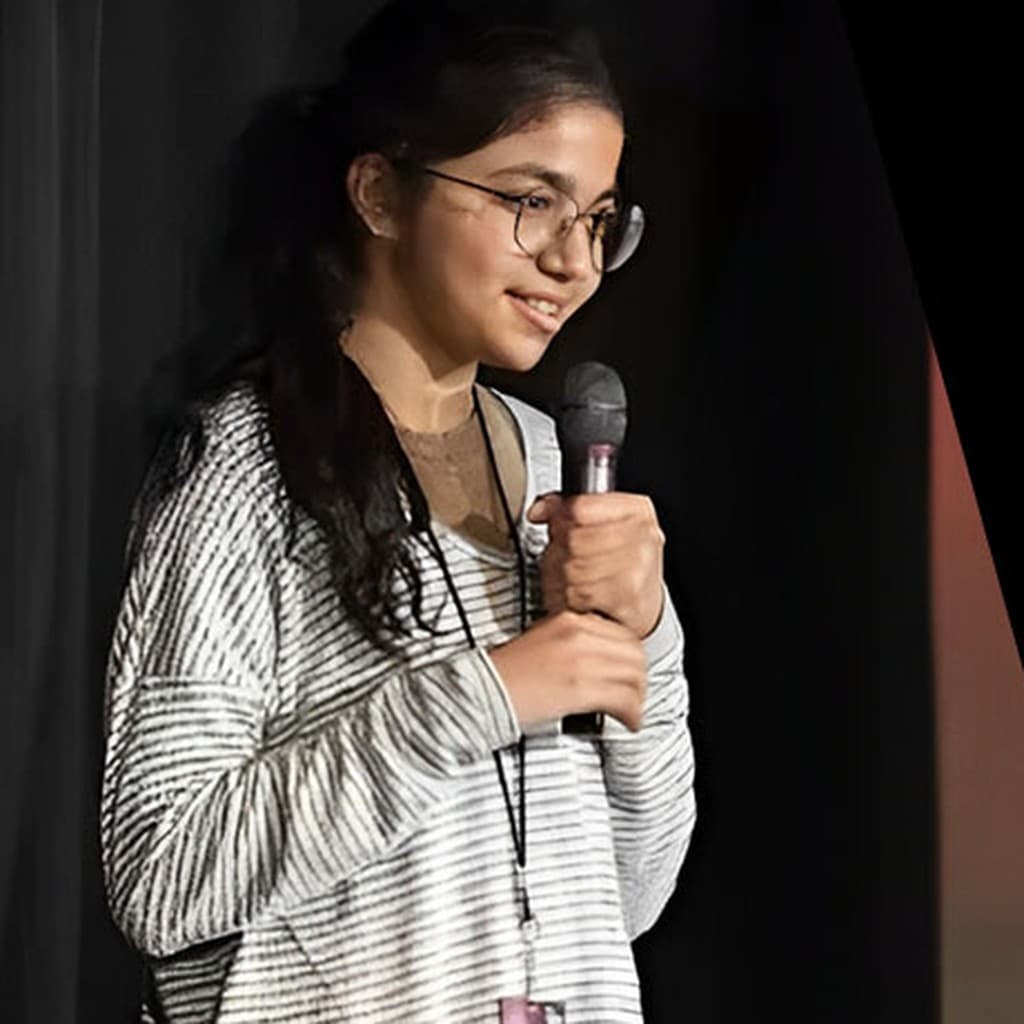 № 004Exhibit A
Pranjali Awasthi
In one year, a 16‑year‑old high‑schooler in Miami turned an AI research summarizer into a ~$12M startup and $450K in pre‑seed funding.
Open file ▸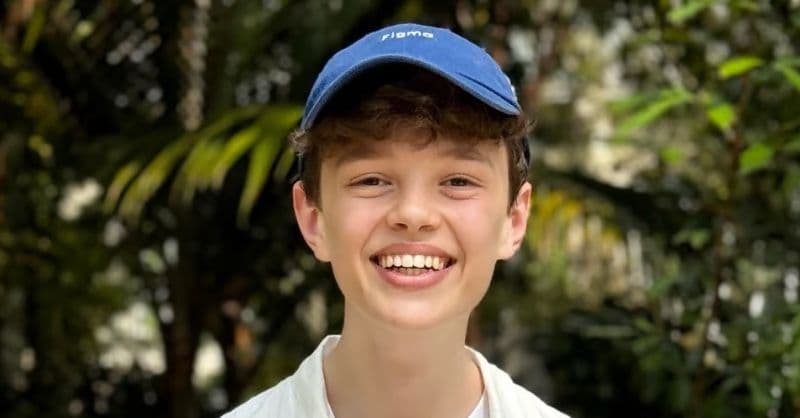 № 005Exhibit A
Toby Brown
From a West London bedroom, a 16-year-old shipped an “AI-native computer” and landed $1M from South Park Commons — then left school to build it full-time in Silicon Valley.
Open file ▸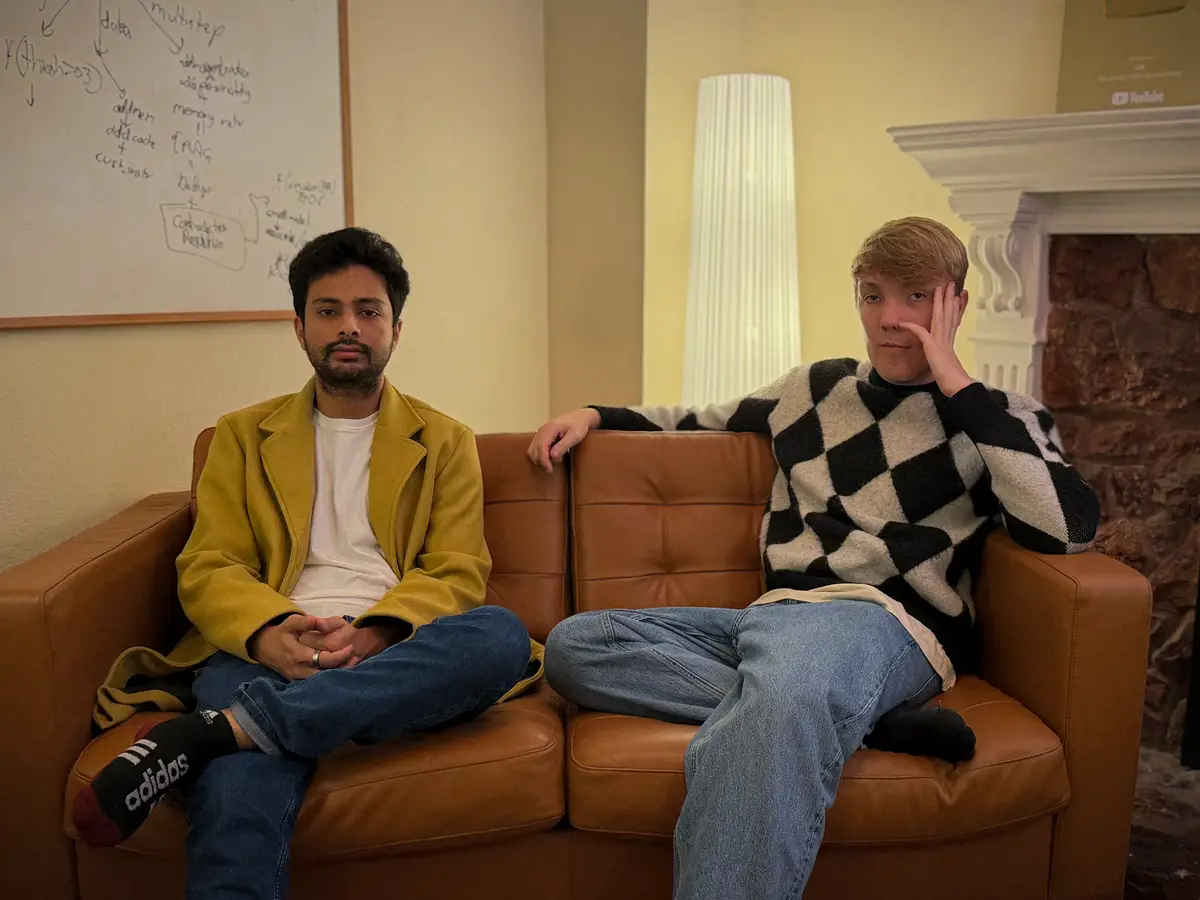 № 006Exhibit A
Jay Neo
A 21-year-old ex–MrBeast content strategist turned his virality playbook into Palo, an AI tool that raised $3.8M and powers scripts for creators with tens of billions of views.
Open file ▸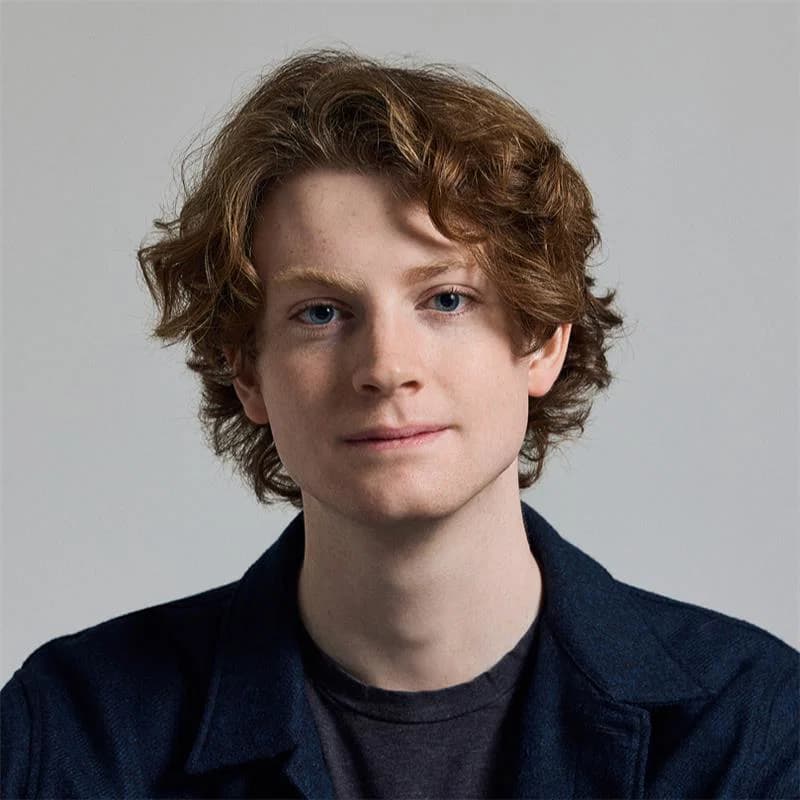 № 007Exhibit A
Cameron Fink
At 20, Cameron Fink co-founded Aaru, an AI simulation startup that hit a $1B valuation by replacing slow, expensive focus groups with synthetic consumers brands can query in hours.
Open file ▸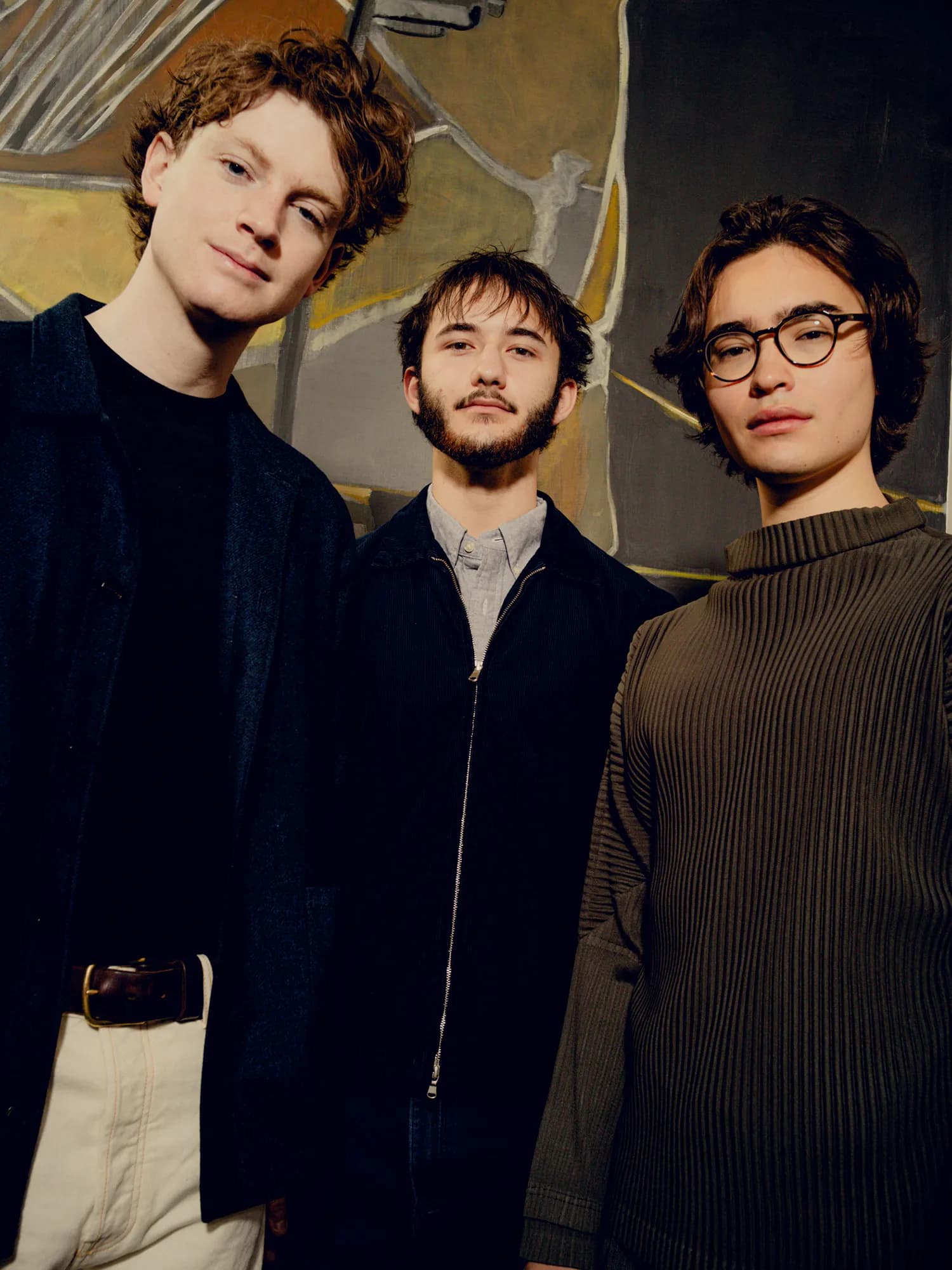 № 008Exhibit A
Ned Koh
At 19, Ned Koh co-founded Aaru, an AI simulation engine that jumped to a reported $1B valuation on a Series A above $50M while ARR was still under $10M.
Open file ▸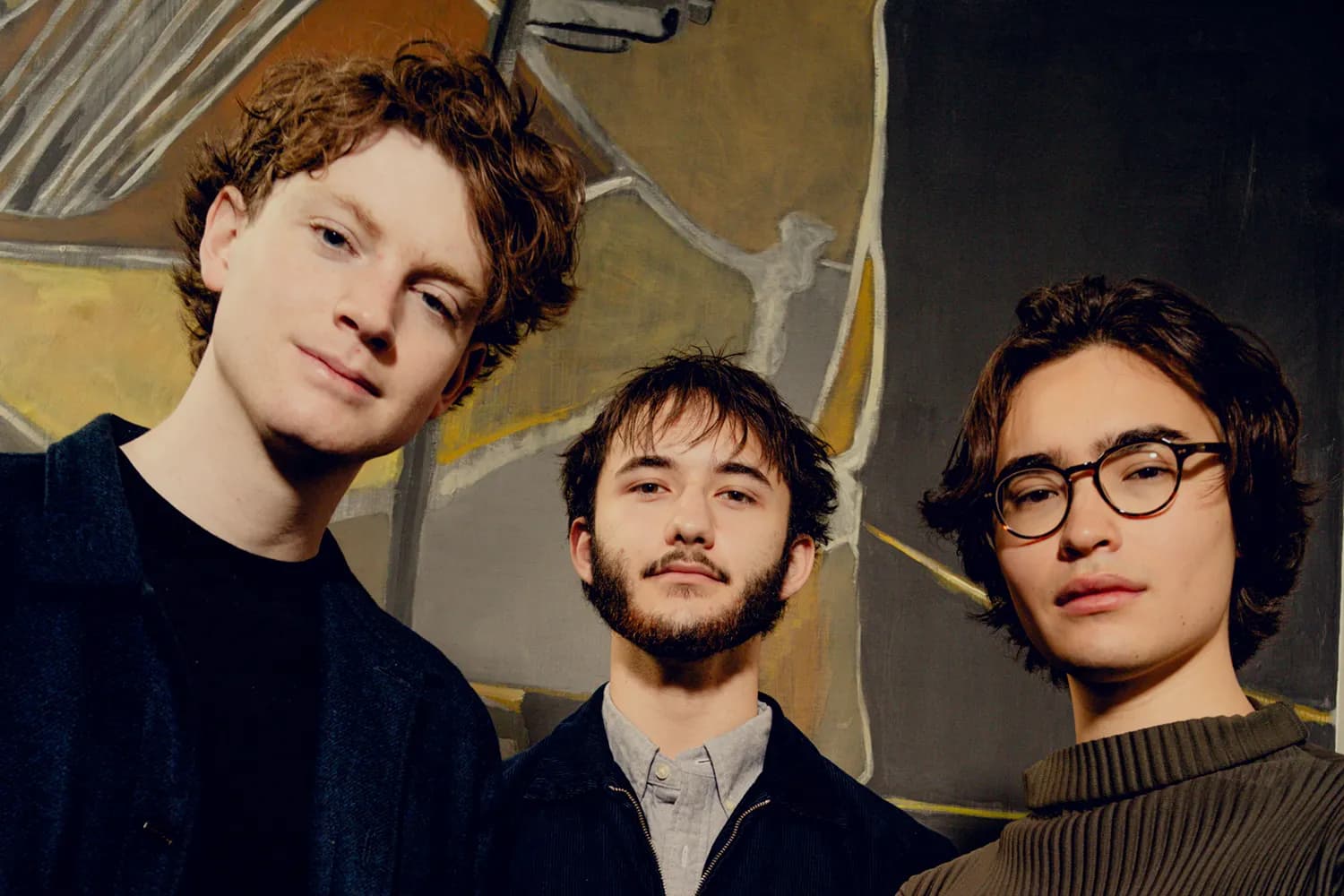 № 009Exhibit A
John Kessler
At 15, John Kessler co-built Aaru, an AI simulation engine that helped turn three teenagers into the founding team of a billion-dollar startup off just $7.5M in funding.
Open file ▸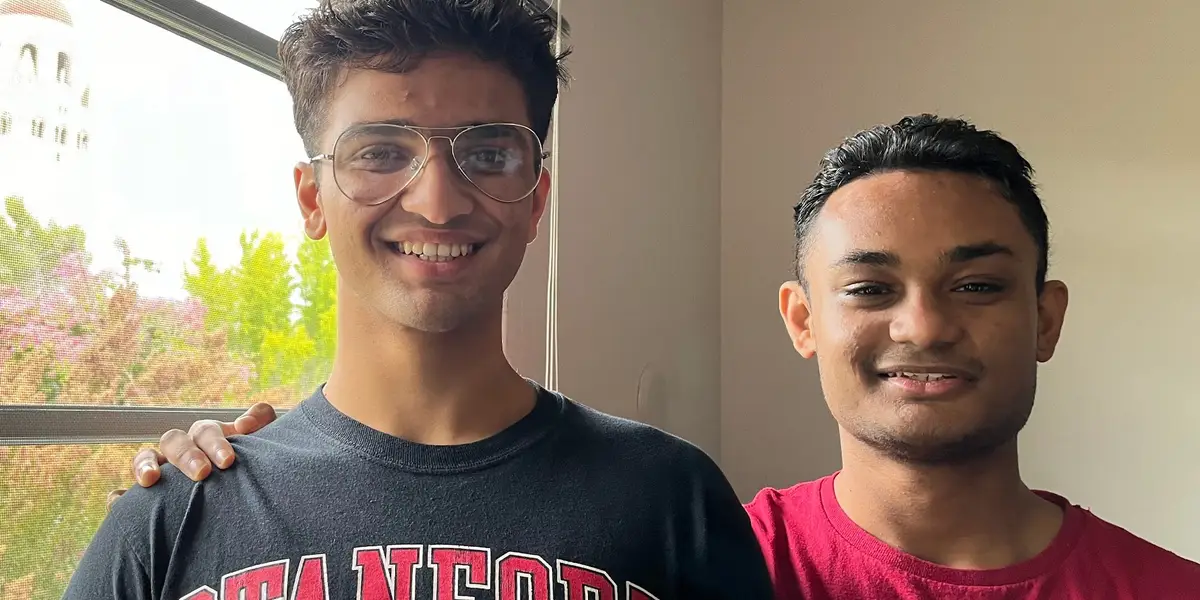 № 010Exhibit A
Shraman Kar
Two brothers dropped out of Stanford at 19 and 20, turned a Stanford AI Lab project into Golpo AI, and closed a $4.1M oversubscribed seed to put AI explainer videos into school districts and enterprises.
Open file ▸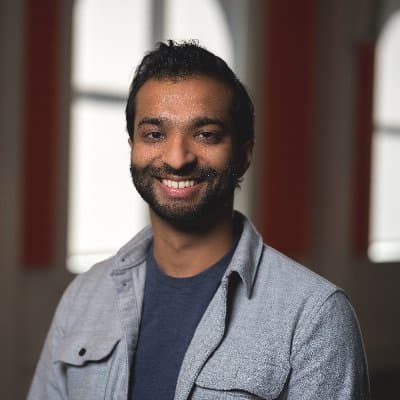 № 011Exhibit A
Shreyas Kar
$4.1 million raised before age 21, off a product that turns boring documents into classroom ready explainer videos in minutes.
Open file ▸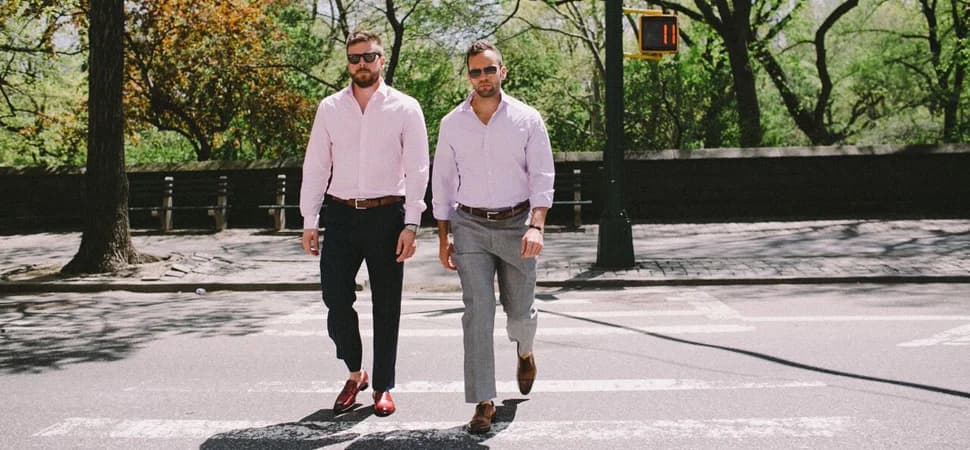 № 012Exhibit A
Evan Fript
A first-time founder took a mens shoe brand from idea to an eight figure funding round by skipping retailers and owning the entire customer relationship online.
Open file ▸ № 013Exhibit A
Aayam Bansal
$1.5M raised as a teenager, including $500K from Y Combinator, for an AI co-scientist that researchers now use to review papers and design experiments instead of fighting LaTeX errors at 2 a.m.
Open file ▸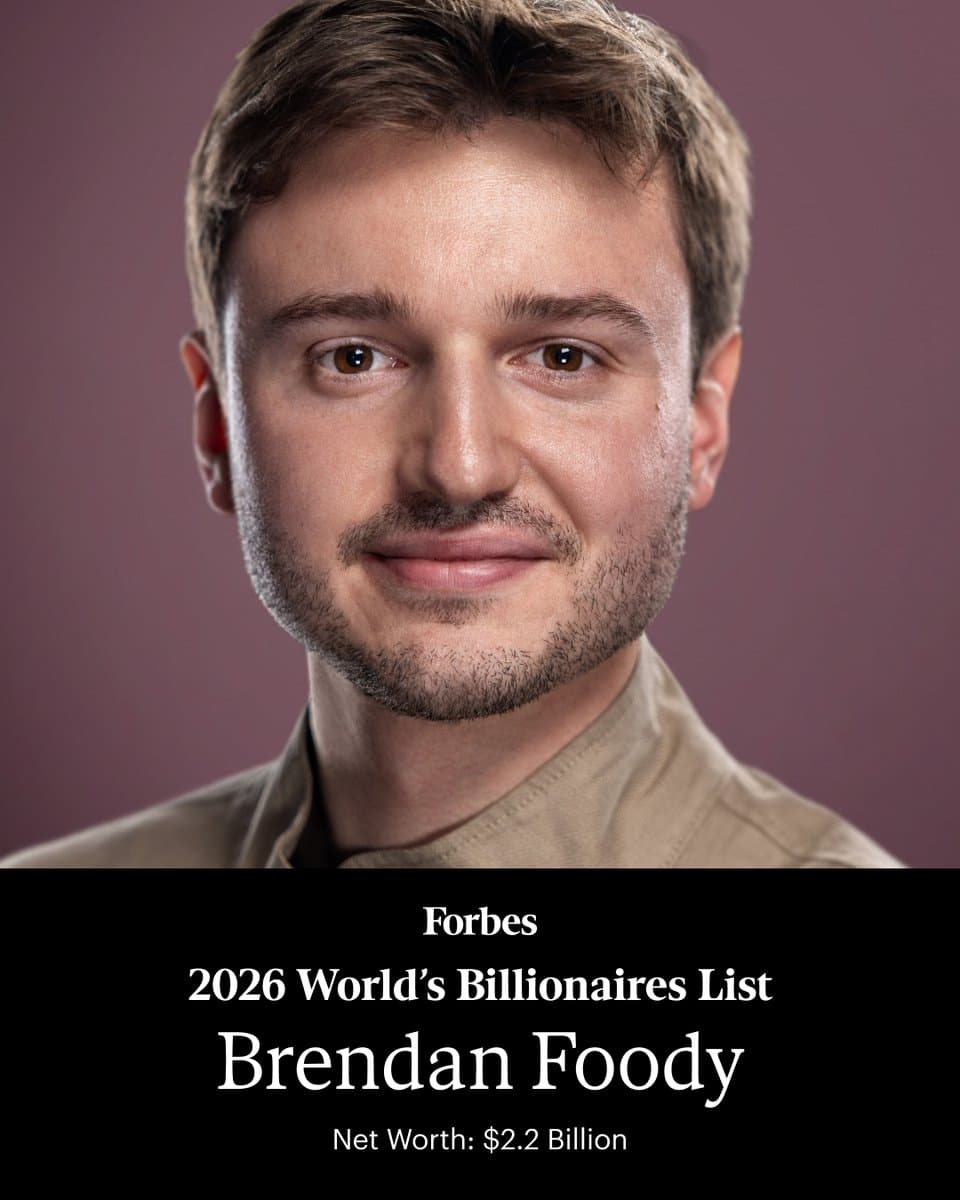 № 014Exhibit A
Brendan Foody
$500M in revenue in 17 months, from an idea hacked together after a finals week in Brazil, turned Brendan Foody into one of the youngest self made billionaires on the planet.
Open file ▸ № 015Exhibit A
Alexandr Wang
A 19 year old in a pool house turned a data labeling API into a $14.3 billion keystone deal that put him in charge of Meta's entire AI strategy.
Open file ▸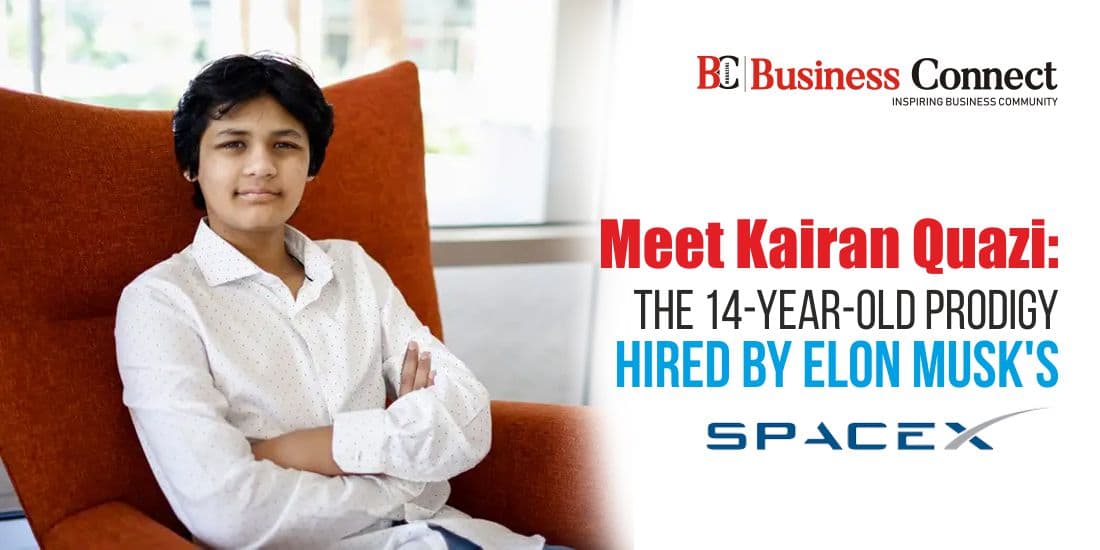 № 016Exhibit A
Kairan Quazi
A 16 year old who started college at 9 and became SpaceX’s youngest engineer at 14 used that resume to jump straight into Citadel Securities, one of the hardest quant seats to crack on Wall Street.
Open file ▸ № 017Exhibit A
Young Zhao
He turned an AI video clipper into a $215M company serving 50M users by attacking one brutal pain point in content creation and riding creator distribution instead of paid ads.
Open file ▸ № 018Exhibit A
Ishaan Gangwani
$1.5M in funding by 18, a YC W26 badge, and an AI co-scientist that hits 92% on BixBench Biology turned Ishaan Gangwani from rejected teen researcher into the person PhDs now cold email for tooling.
Open file ▸Jeremy Kim
DeepSales pulled in a 2 billion dollar Pre A round to fuel an AI engine that tells sales reps exactly which buyers to chase and which to ignore.
Open file ▸ № 020Exhibit A
Siddarth Nandyala
An app a 14 year old built on a smartphone has already screened over 15,000 patients for heart disease with about 96% accuracy and pulled a state chief minister into his distribution loop.
Open file ▸ № 021Exhibit A
Rayan Garg
$500,000 from Y Combinator turned Rayan Garg's research search tool into Theta, a specialized AI engine academics actually use to find and digest papers instead of brute forcing Google Scholar for hours.
Open file ▸ № 022Exhibit A
Dhravya Shah
A dorm room side project that started as an open source “second brain” rocketed to 26K+ GitHub stars and over 1M SDK downloads, then pulled in $3M from investors at OpenAI, Google, and Cloudflare before the founder turned 20.
Open file ▸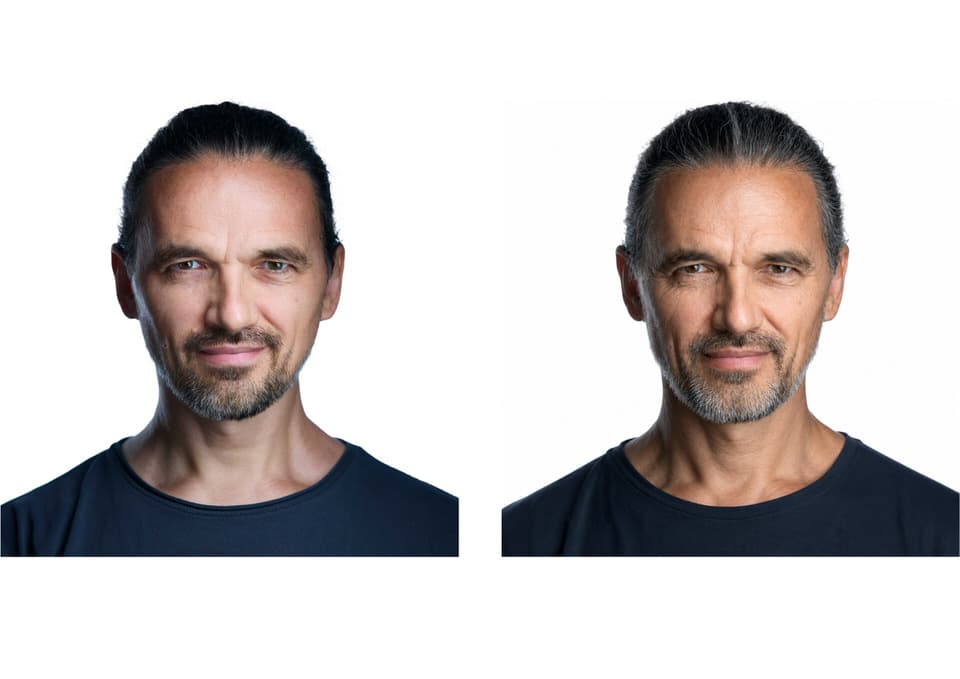 № 023Exhibit A
Shaan Heroor
A first time AI founder used partnerships instead of paid ads to turn a cold start into real users, then parlayed that traction into checks from angels and venture funds.
Open file ▸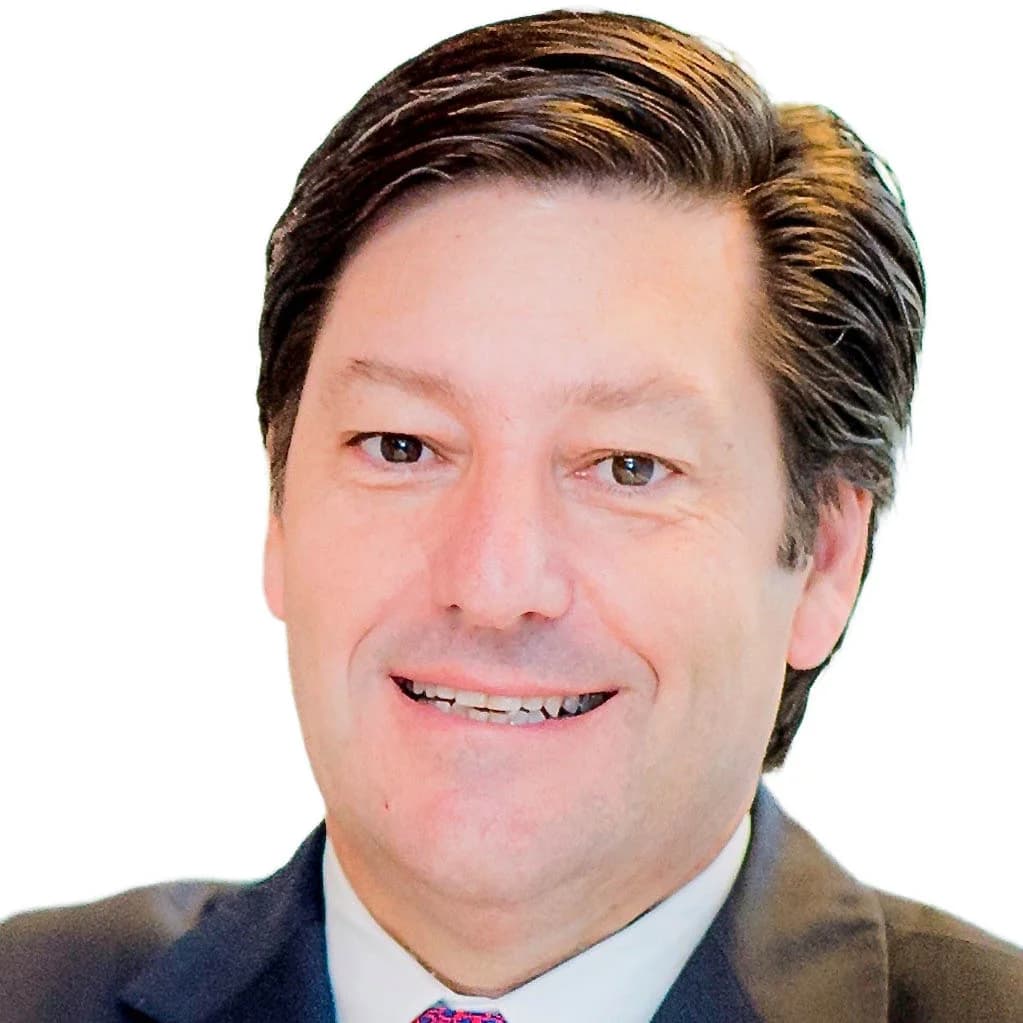 № 024Exhibit A
Lisandro Gallucci
After validating on existing AI platforms, Lisandro Gallucci used those insights to justify a custom model that investors backed to scale nationally.
Open file ▸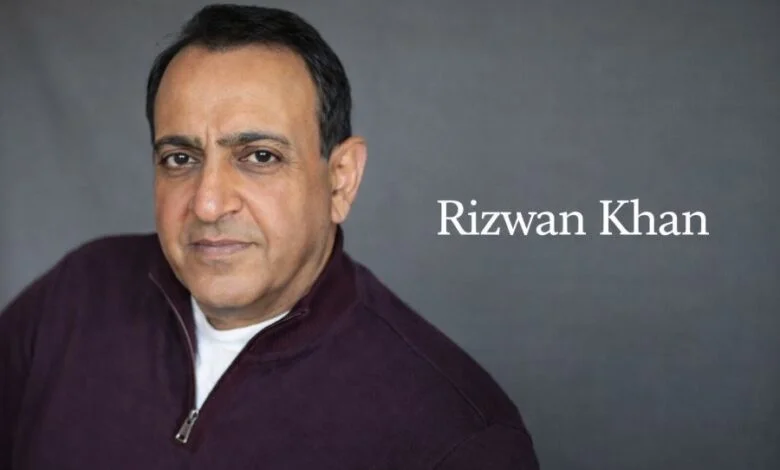 № 025Exhibit A
Rizwan Khan
3,000 people installed a faith based habit app that spent exactly $0 on marketing, and they kept coming back because it felt built for them, not a generic productivity user.
Open file ▸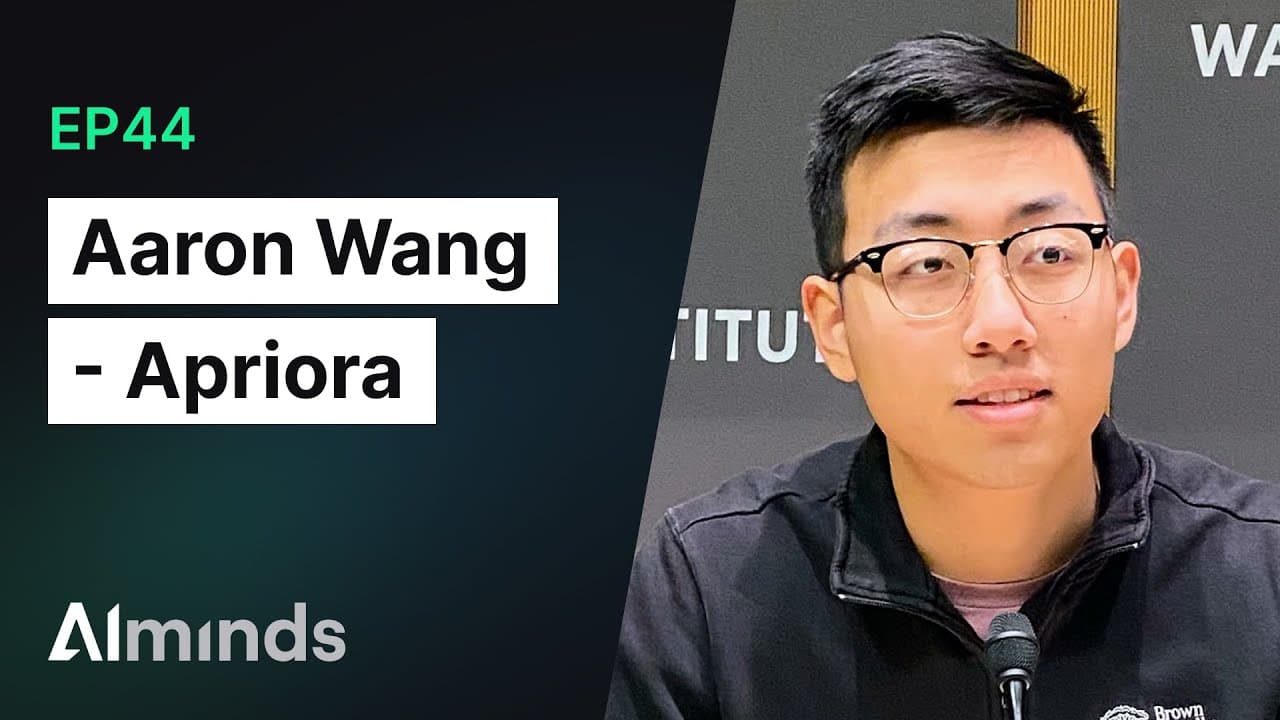 № 026Exhibit A
Aaron Wang
$2.8M raised for Apriora turned an AI researcher's frustration with hiring into an autonomous recruiter that runs real interviews while talent teams sleep.
Open file ▸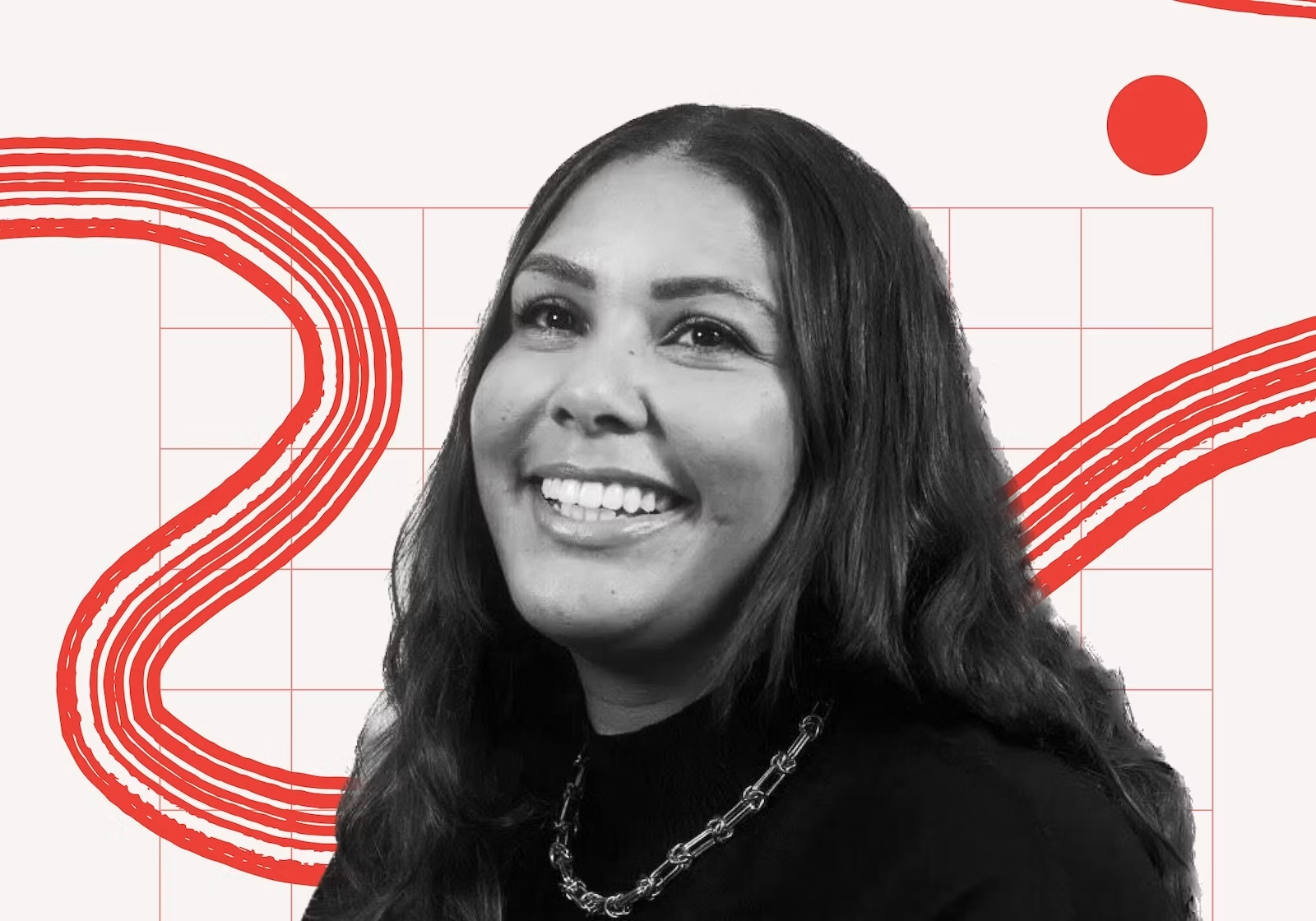 № 027Exhibit A
Riya Mehta
Outset used AI moderated customer research to help brands like Microsoft and Uber, then parlayed those case studies into a $30 million Series B led by Radical Ventures.
Open file ▸ № 028Exhibit A
Nick Dobroshinsky
A 15 year old shipped an AI financial research platform used by 250,000 investors, built it with about 10 lines of his own code, and filled it with users using Reddit bots instead of ad spend.
Open file ▸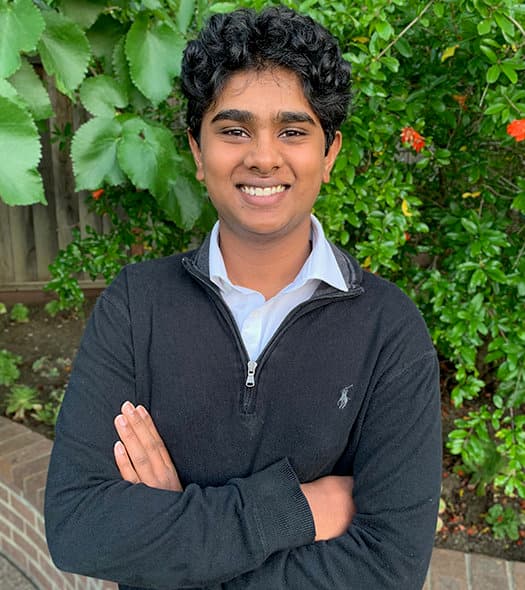 № 029Exhibit A
Adarsh Ambati
Candor landed a YC W25 spot by pitching AI agents that catch insider data leaks before security teams drown in false positives, then turned that YC stamp into a fast growing pipeline of security conscious startups.
Open file ▸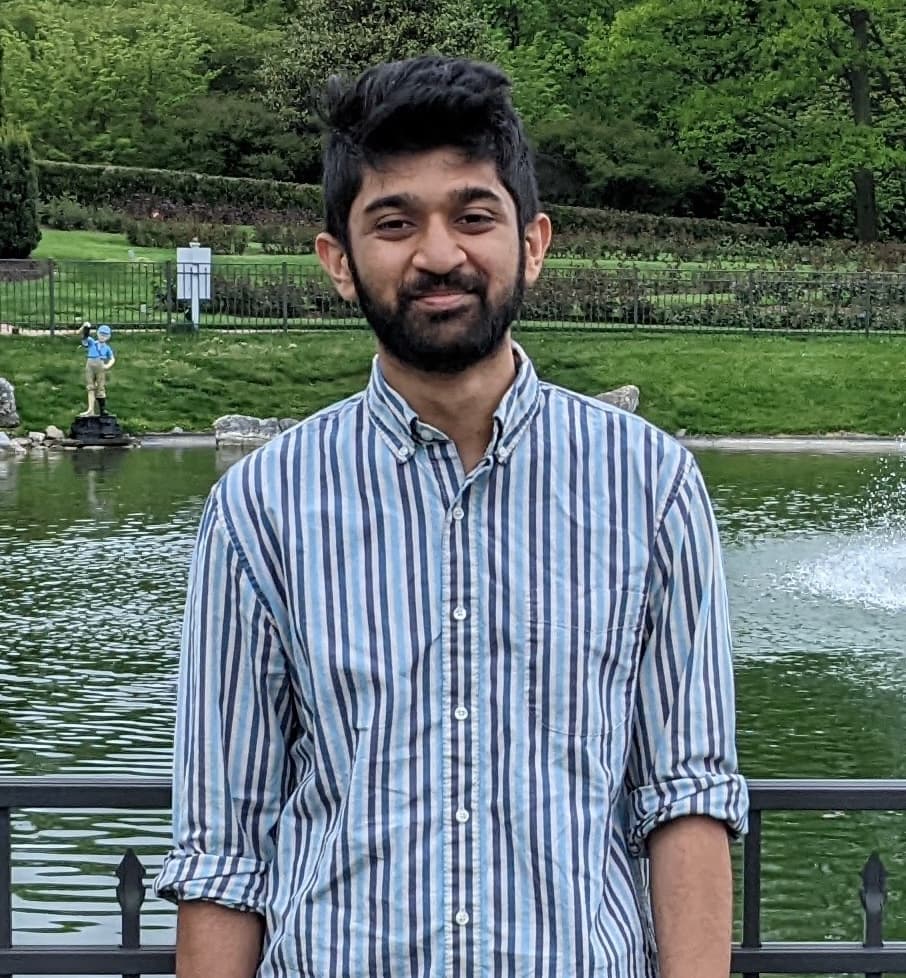 № 030Exhibit A
Rahul Ramesh
₹1 crore in angel funding, APIs that could power AI agents and citations, and Subtl.ai still died on the vine because they never picked a sharp market or made the product truly developer friendly.
Open file ▸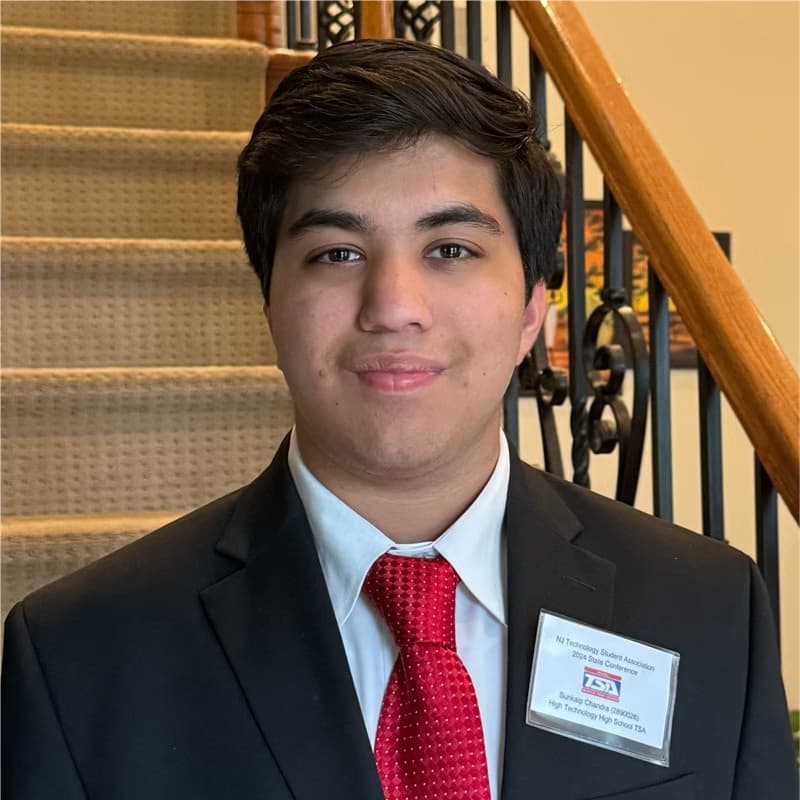 № 031Exhibit A
Sunkalp Chandra
A teen founder convinced Sam Altman to personally fly him to OpenAI headquarters and write a $10,000 check, then turned that credibility into an AI health startup targeting Alzheimer’s diagnosis and therapy.
Open file ▸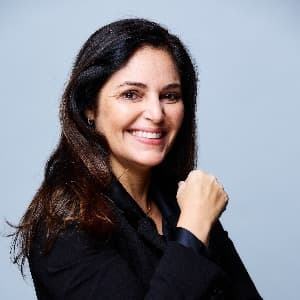 № 032Exhibit A
Lisandra Mai
Brands already trust MAI's AI agents to manage millions of dollars in ad spend each month, and Lisandra Mai turned that traction into a $25 million seed round led by Kleiner Perkins.
Open file ▸Zachary Lichaa
An AI social integration tool quietly stacked tens of thousands of users by riding on top of existing social platforms instead of buying traffic.
Open file ▸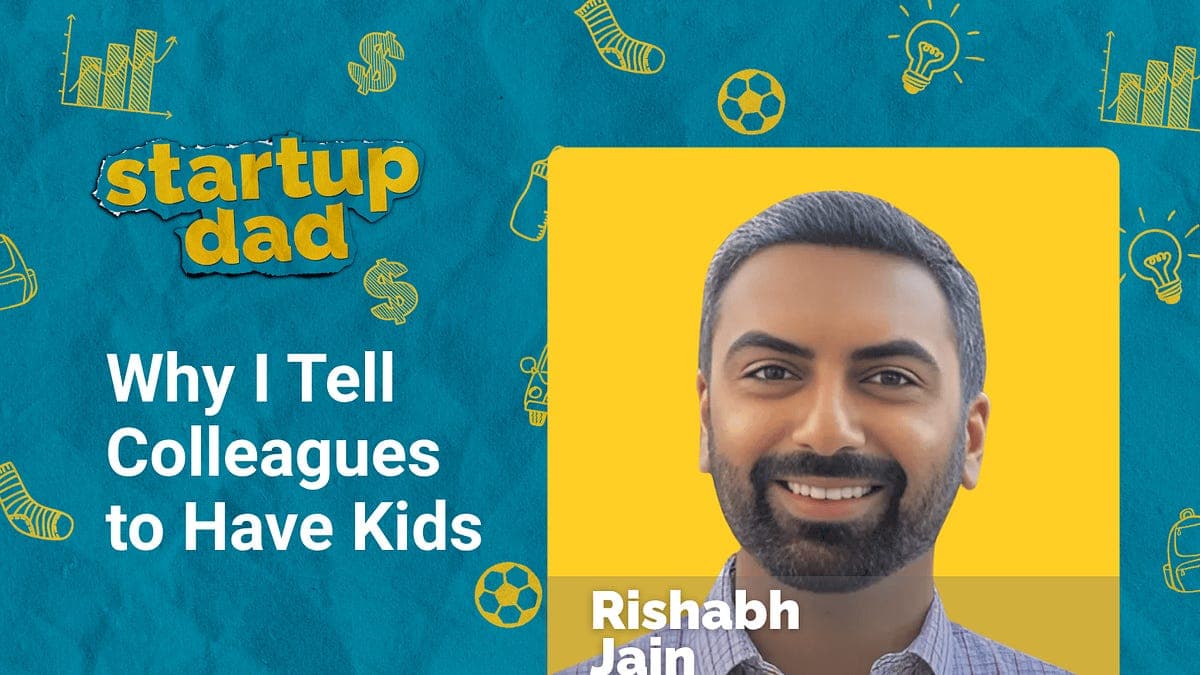 № 034Exhibit A
Rishabh Jain
One smart link product took Rishabh Jain from a bootstrapped creator tool to millions of users and $17M in funding by riding the creator economy and fixing a single painful UX bug.
Open file ▸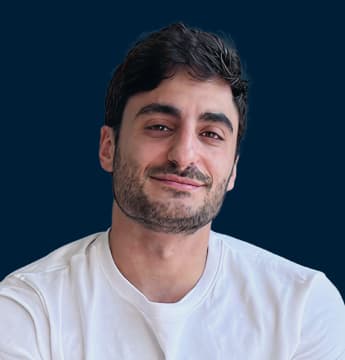 № 035Exhibit A
Maor Shlomo
A solo founder hit $1M ARR in three weeks, 400,000 users in months, then sold his one person AI startup Base44 to Wix for over $80M without raising a dollar of funding.
Open file ▸ № 036Exhibit A
Sahil Lavingia
A 19 year old shipped a weekend side project that grew into Gumroad, helped creators earn over $1B, then walked away from blitzscaling to run it profitably at around $20M a year in revenue.
Open file ▸Ria Doshi
£1 million in pre-seed funding turned Doshi from a classroom finance game into a bank backed AI education platform that sells into financial institutions instead of chasing individual consumers.
Open file ▸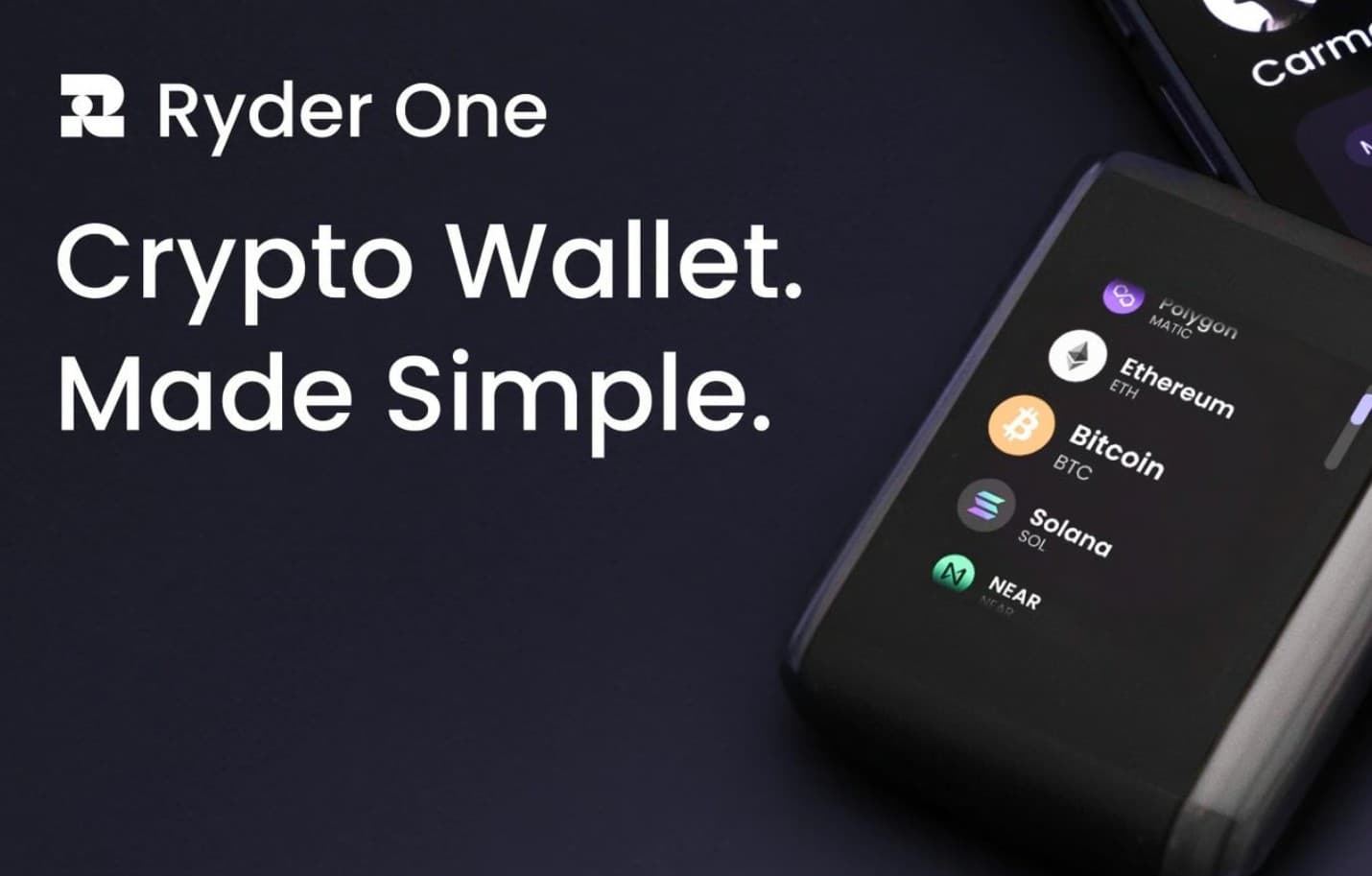 № 038Exhibit A
Ryder Tully
$3.2 million in seed money from Tim Draper bought Ryder One a shot at rewriting crypto wallet UX by killing the seed phrase and replacing it with tap based recovery.
Open file ▸ № 039Exhibit A
Ravi Kurani
A first time hardware founder raised nearly $2 million for Sutro, sold it to Sani Marc before the product was fully built, then used that exit to start buying up old school pool service companies.
Open file ▸ № 040Exhibit A
Avy Agrawal
$264M into an AI research copilot and Avy Agrawal got there by shipping what mathematicians actually used, long before most people took a teenage founder seriously.
Open file ▸Arlan Rakhmetzhanov
An 18 year old high school dropout moved from Kazakhstan to London, raised $6.2M for Nozomio and shipped Nia so widely that AI agents were handling 30,000 messages and 2.5M views in 48 hours.
Open file ▸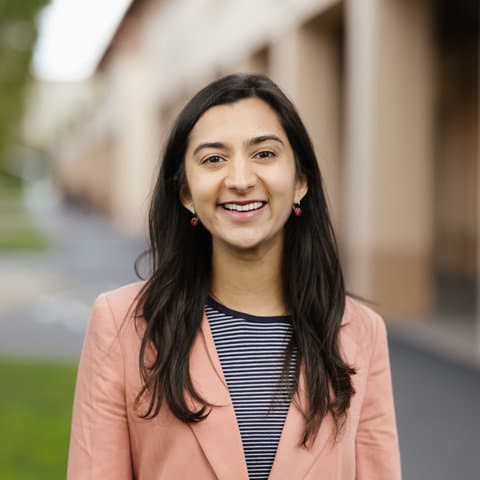 № 042Exhibit A
Riya Mehta
By turning procurement teams into an AI powered workforce that CFOs would rather hire than headcount, 16 year old Riya Mehta turned a niche back office pain into a funded product with real enterprise demand.
Open file ▸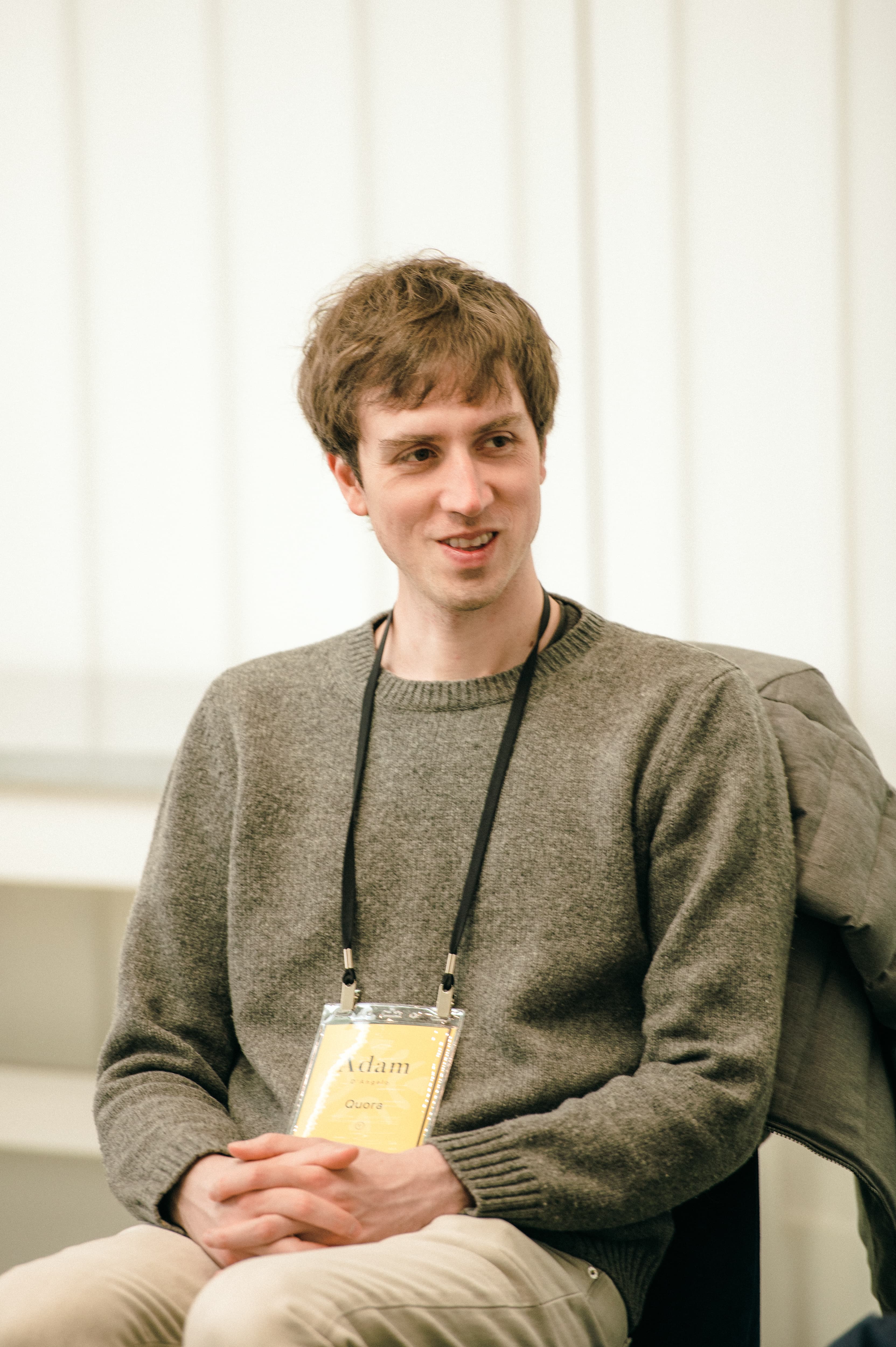 № 043Exhibit A
Adam D'Angelo
Quora went from 100 users to 10,000 by compounding one simple loop: high intent traffic turned into answers, answers turned into more search traffic, and the flywheel never needed paid marketing to spin.
Open file ▸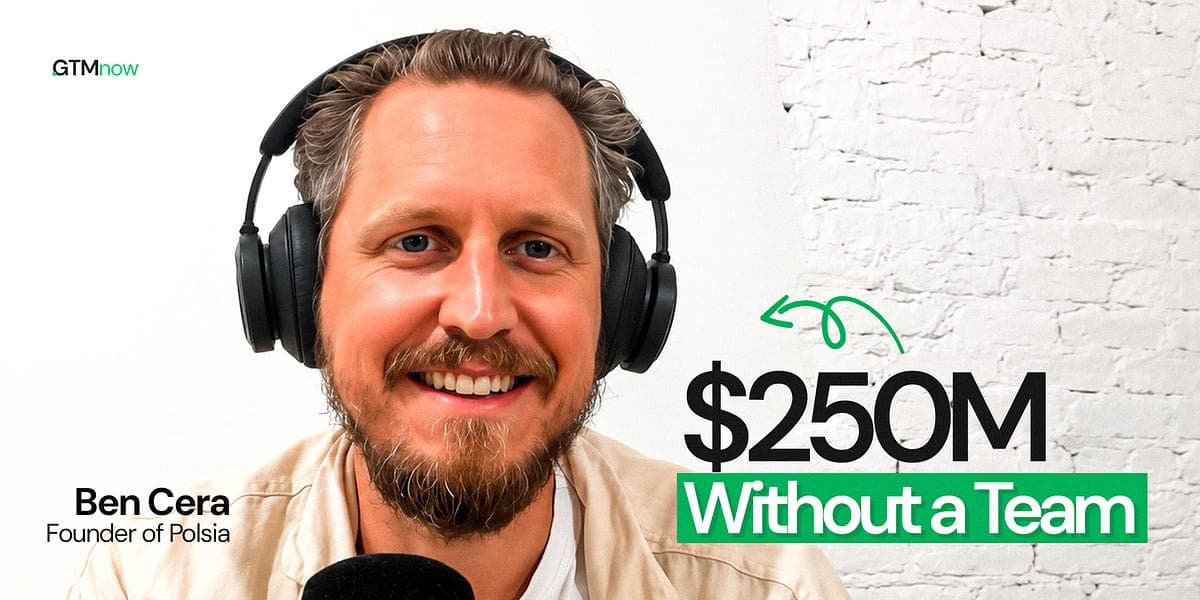 № 044Exhibit A
Ben Cera
$10M run rate in 5 months, $30M raised at a $250M valuation, and the AI agent ran the fundraise while the solo founder just showed up to sign.
Open file ▸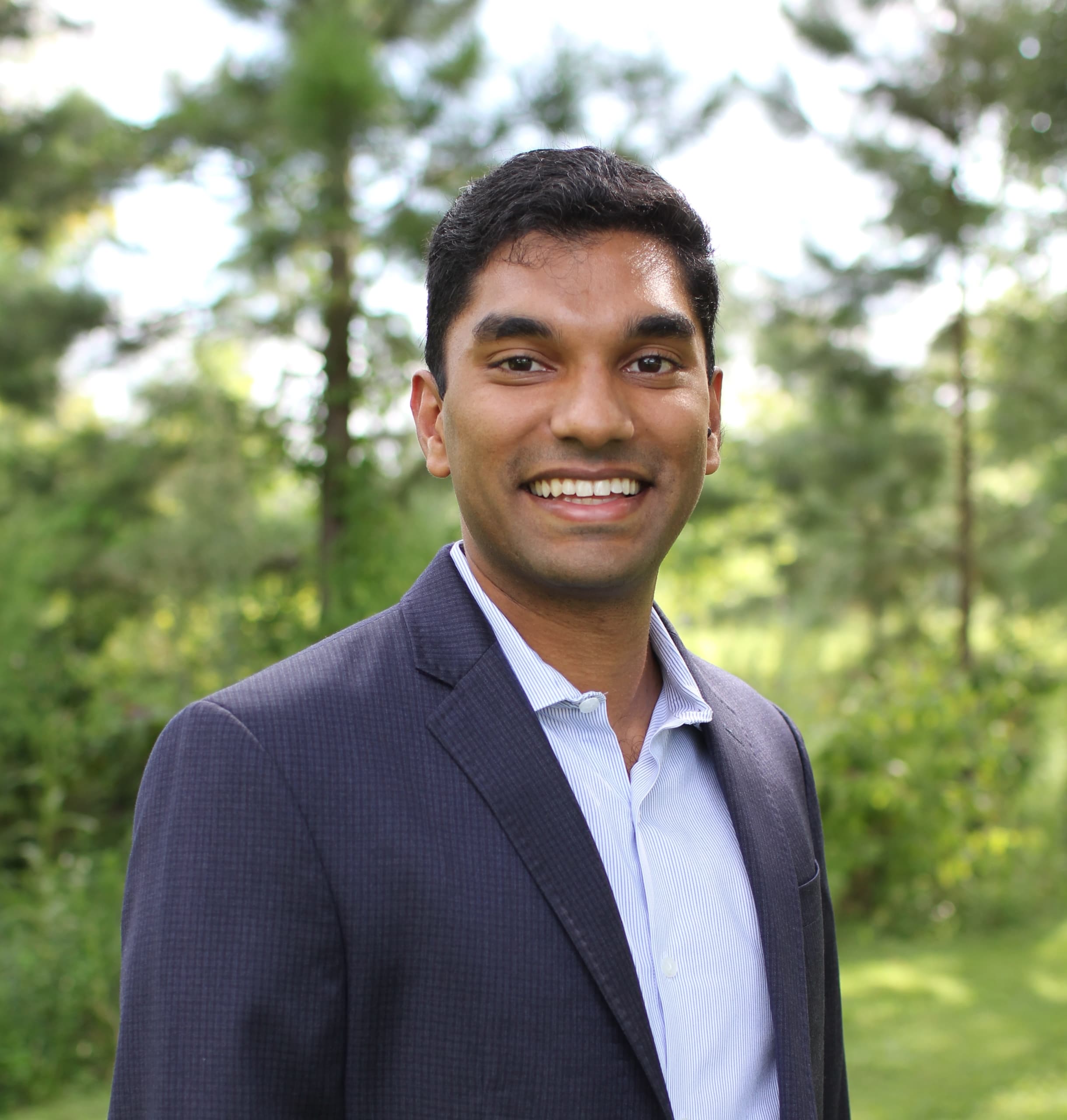 № 045Exhibit A
Rohan Naik
Klickie turned a cold start into paying customers by piggybacking on partner networks, then used that traction to bring in investors who were willing to wait for a long game.
Open file ▸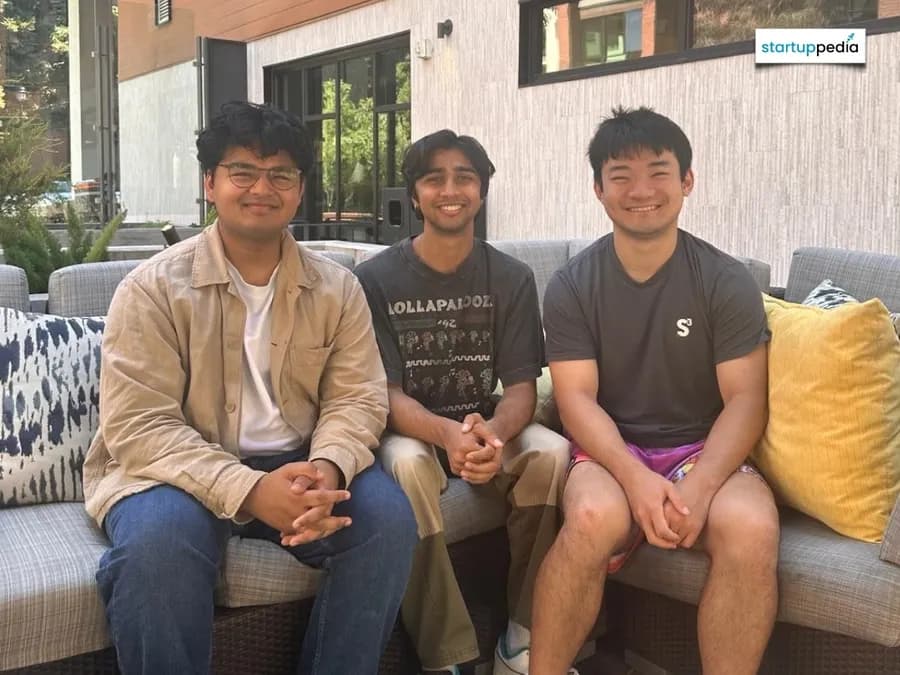 № 046Exhibit A
Amogh Chaturvedi
$5 million raised in 2 days after selling his first startup for six figures at 19, then pivoting a YC batch into Human Behavior to attack Mixpanel and PostHog with vision AI.
Open file ▸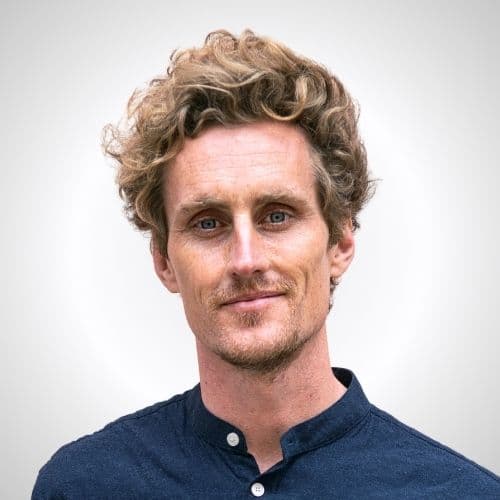 № 047Exhibit A
Ronan Harrington
Ronan Harrington turned a niche resilience framework into a keynote machine that books him with clients like Accenture and global corporates, without building a venture backed product or spending heavily on ads.
Open file ▸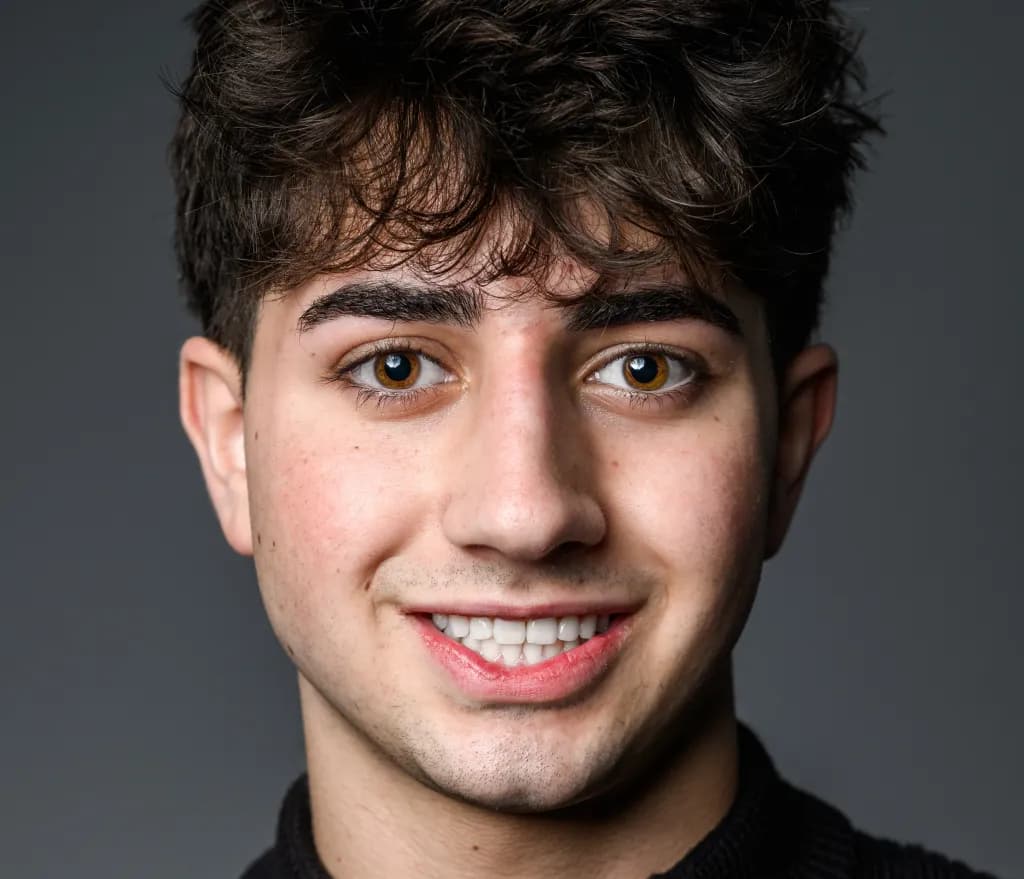 № 048Exhibit A
Zachary Yadegari
A high schooler used TikTok creators and performance ads to push an AI calorie app to 10 million users and roughly $30 million a year in revenue, then sold it to MyFitnessPal.
Open file ▸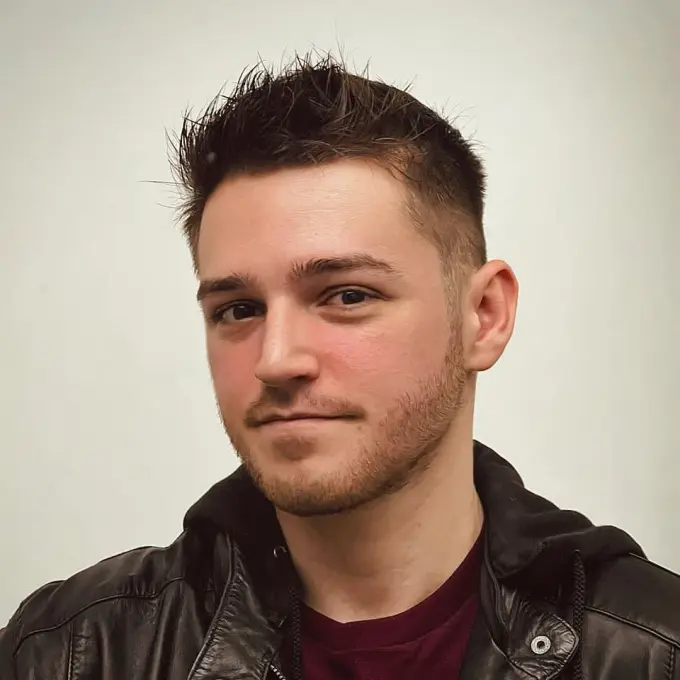 № 049Exhibit A
Michael Sayman
With zero live products and only a pitch, Michael Sayman closed a $3M seed round for Friendly Apps in about a week and turned his personal reputation into the entire distribution wedge.
Open file ▸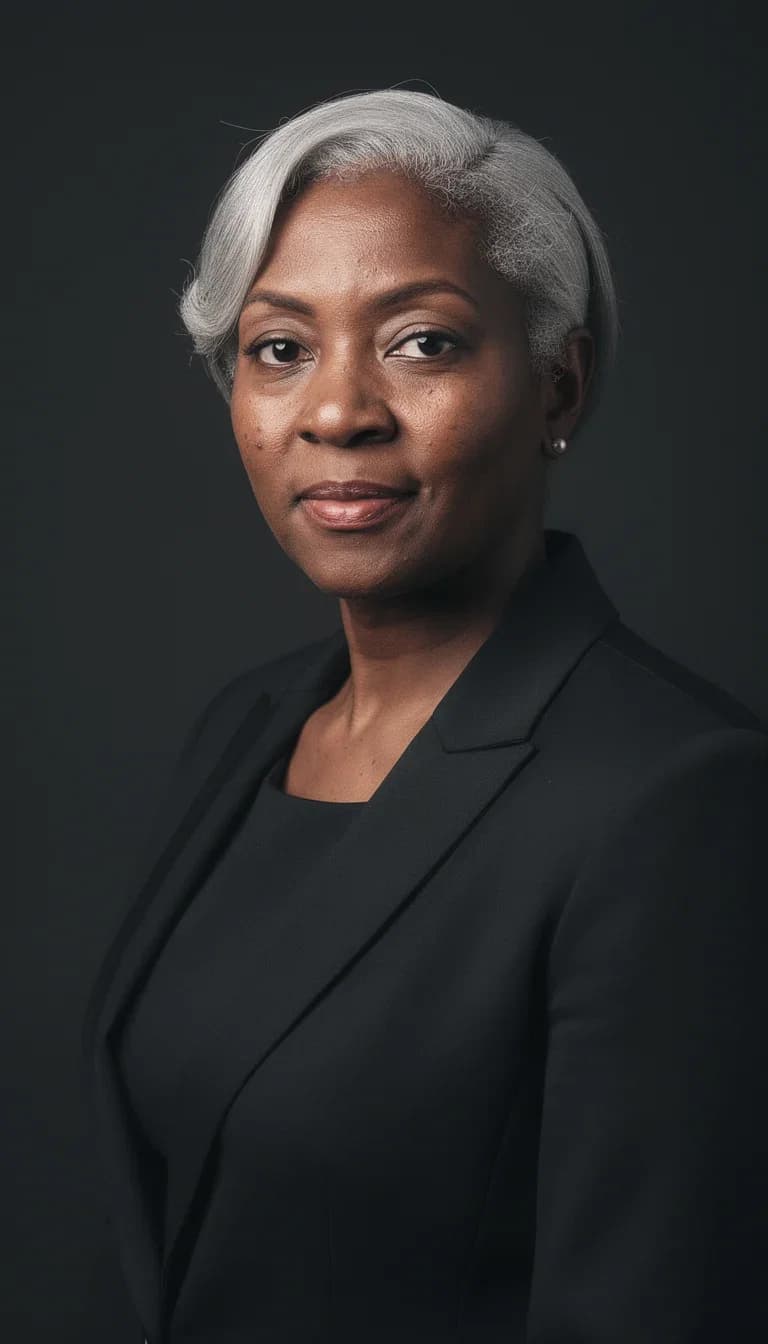 № 050Exhibit A
Rinorr Kaus
A tiny five person team grew Flair AI past 1,000,000 users and closed $5M in funding by obsessively shipping what their users asked for.
Open file ▸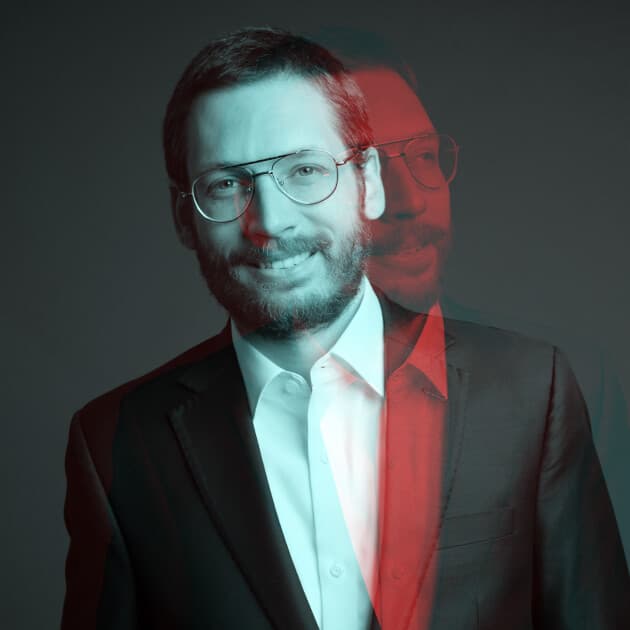 № 051Exhibit A
Stephen Balaban
$1.5B of Series E capital turned Stephen Balaban's GPU side business into a superintelligence cloud that now powers AI workloads for hundreds of millions of end users.
Open file ▸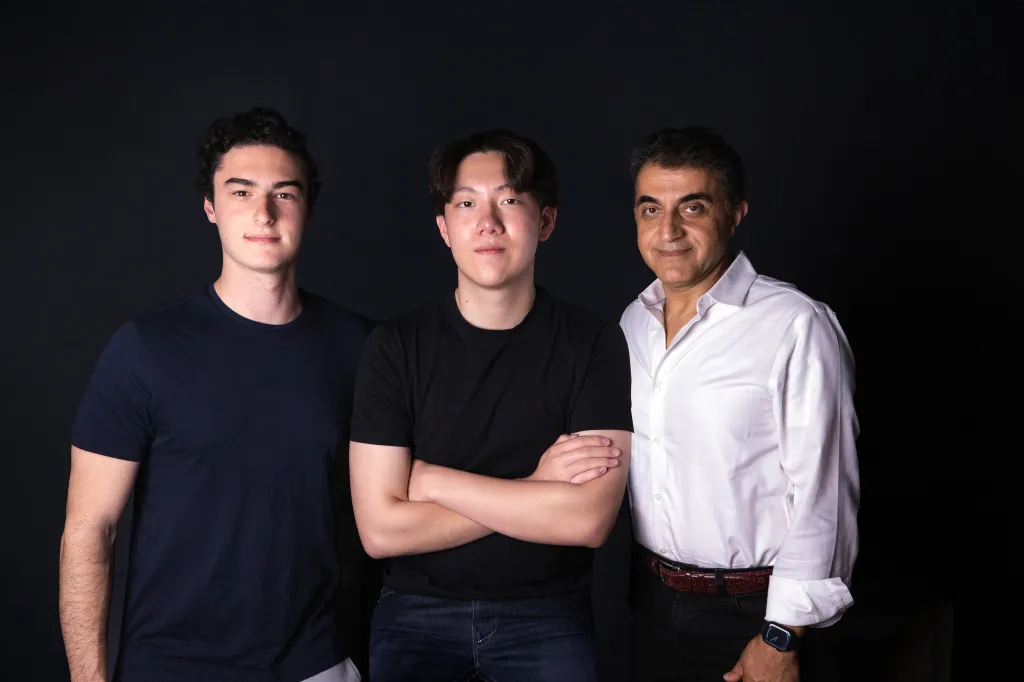 № 052Exhibit A
Eric Zhu
Aviato turned bathroom Zoom calls with VCs into $2.3M in funding and flagship customers like NEA and 8VC while Eric Zhu was still in high school.
Open file ▸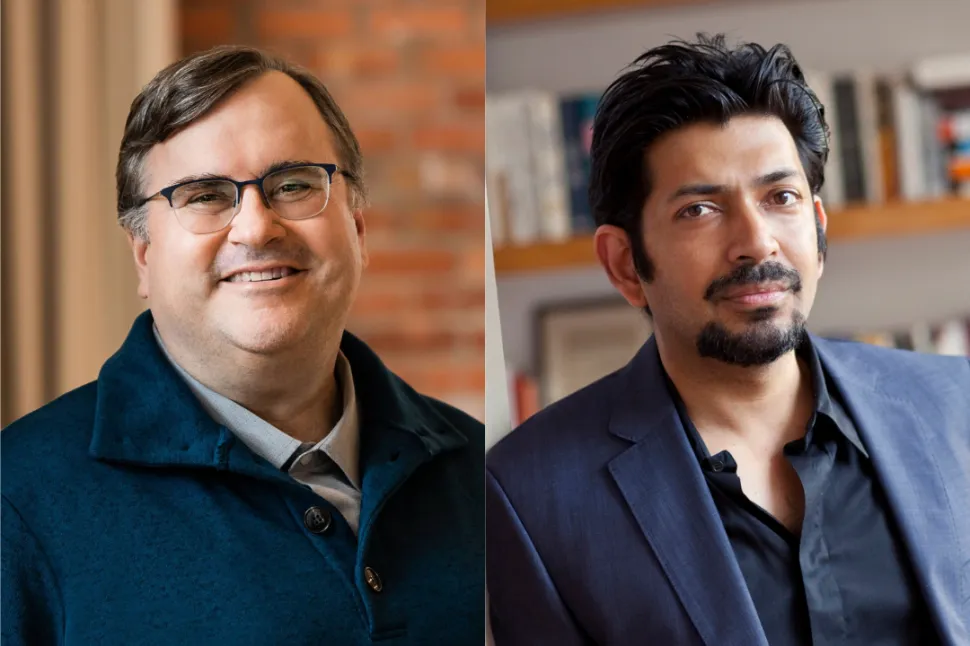 № 053Exhibit A
Reid Hoffman
$24.6M in seed capital and a Microsoft data center partnership let Reid Hoffman spin Manas AI from idea to serious drug discovery infrastructure before most biotechs had even picked an LLM.
Open file ▸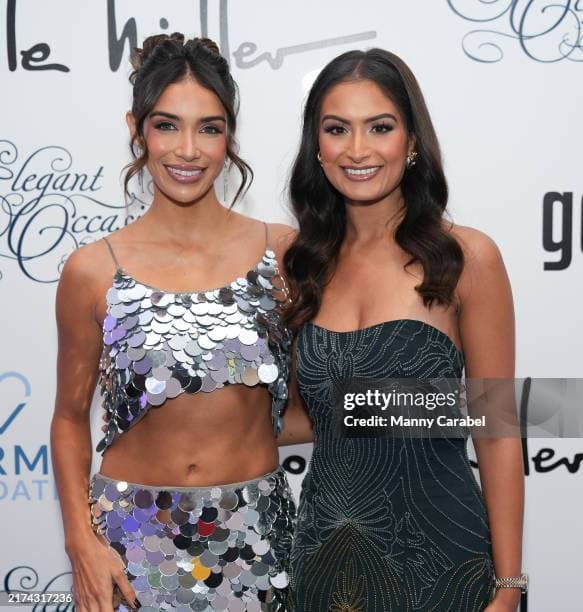 № 054Exhibit A
Bianca Verma
A 22 year old used an invite only AI founder network to pull in venture partners as paying members, then flipped that access into a seven figure fund pipeline without buying a single ad.
Open file ▸ № 055Exhibit A
Taras Tsema
Taras Tsema used targeted partnerships and AI automation pilots to turn early experiments into paying users and venture checks, without burning cash on ads.
Open file ▸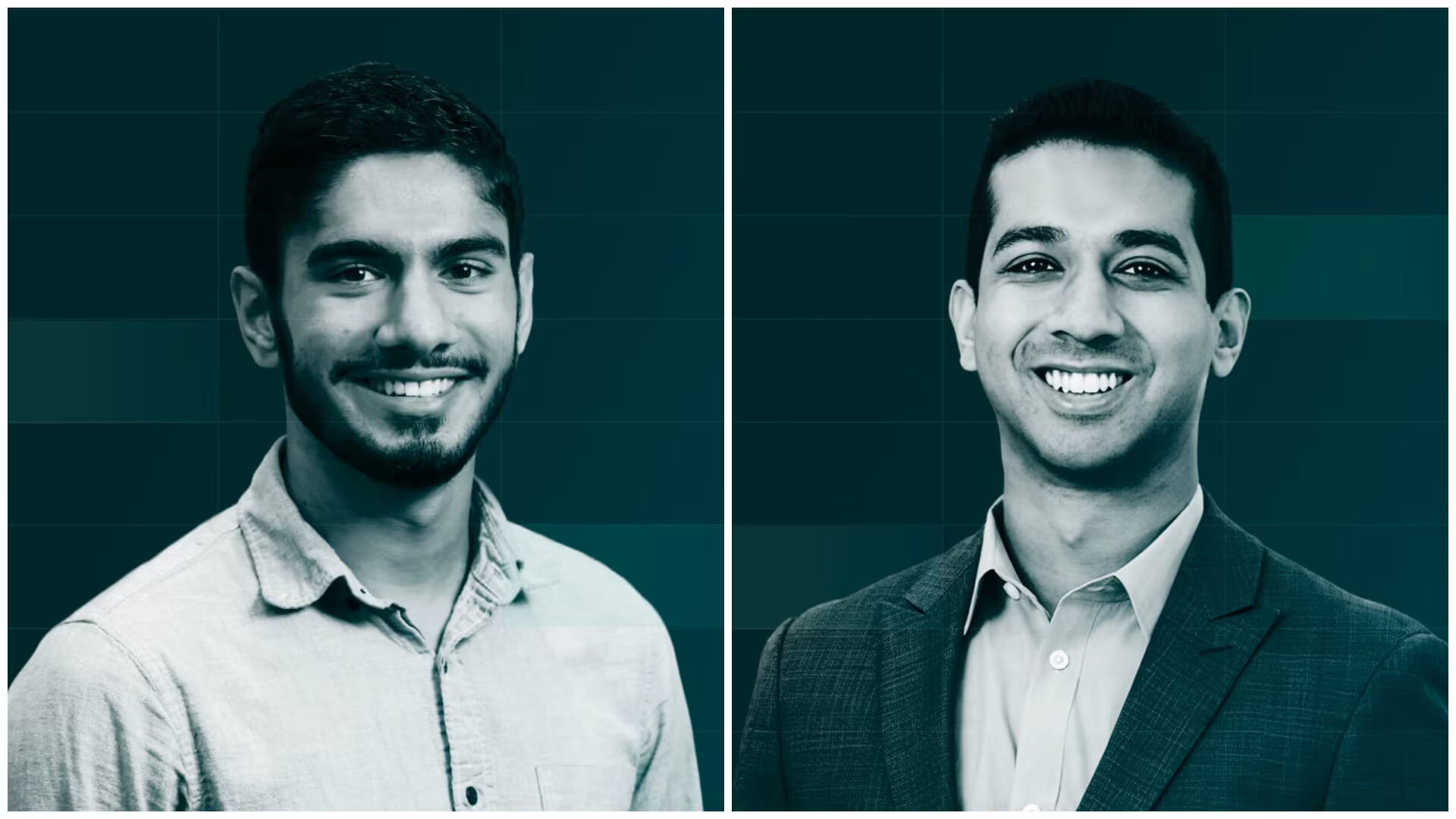 № 056Exhibit A
Bharat Sundal
One founder turned a small pool of family capital and a few warm introductions into a funded AI startup with real pilots inside partner businesses before most peers had a deck.
Open file ▸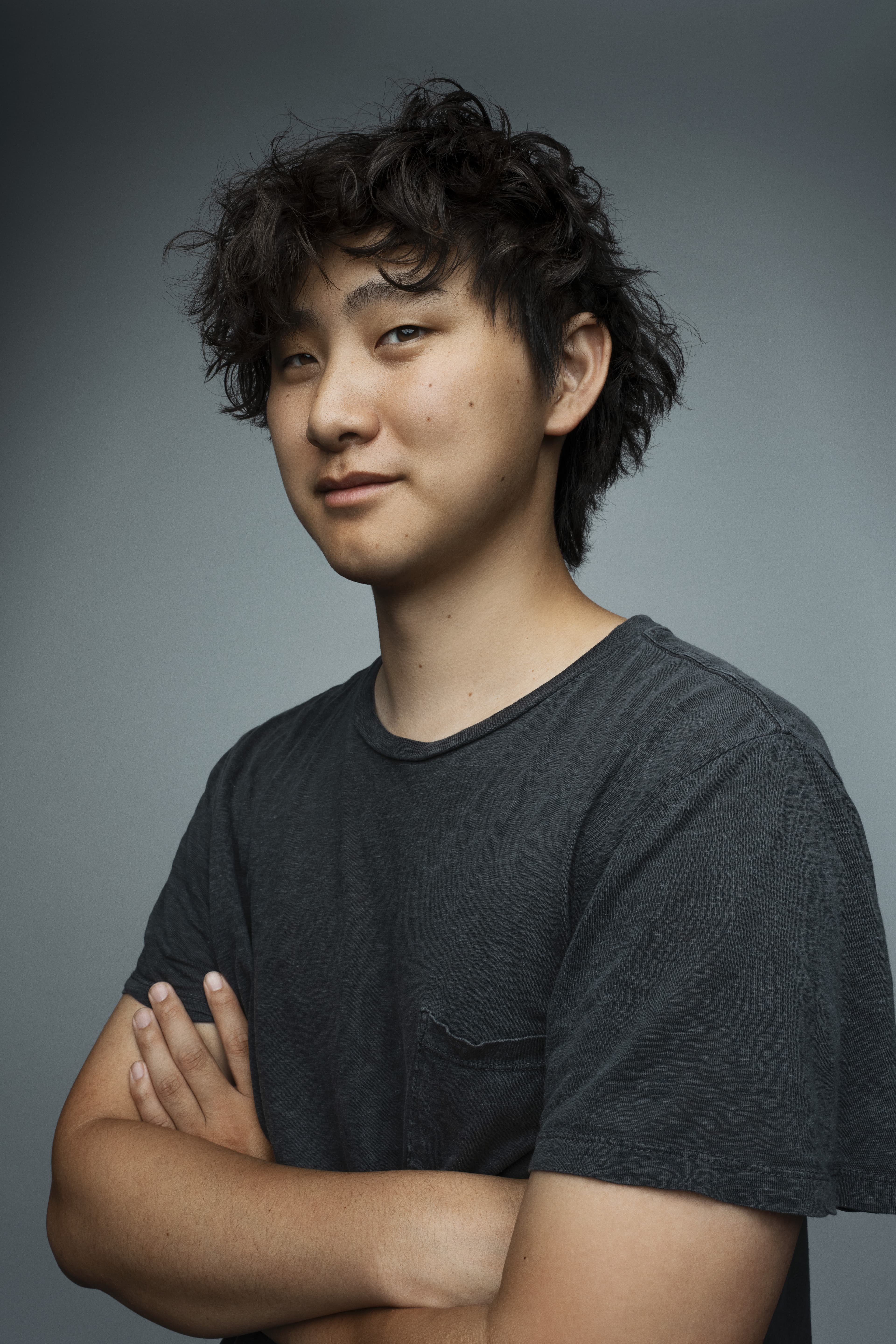 № 057Exhibit A
Alexandr Wang Jr.
A 19 year old dropout turned a scrappy data labeling API into a $29B strategic asset that forced Meta to buy in and put him in charge of its Superintelligence Labs.
Open file ▸ № 058Exhibit A
Paul Jung
400,000 students signed up for Medly in nine months, and 75% were still learning three months in, which let Paul Jung raise an $8 million seed round off real retention instead of hype.
Open file ▸ № 059Exhibit A
Rishab Jain
A teenager used neural nets to segment pancreatic tumors well enough to win a $50,000 Regeneron Young Scientist Award, then turned that same skill stack into YouTube audiences and production AI tools before graduating high school.
Open file ▸Shaan Makhecha
₹1.07 crore in pre-seed cash turned a niche experiences marketplace into a funded AI consumer startup that brands now chase for distribution, not the other way around.
Open file ▸ № 061Exhibit A
Max Langenkamp
$400,000 in non‑dilutive funding let humans& skip the demo-day scramble and start building AI that improves how people work together in the real world.
Open file ▸ № 062Exhibit A
Aaditya Subedi
$24M in seed money at 19 to attack custom chip design with AI, after walking away from Harvard to build Architect Labs full time.
Open file ▸ № 063Exhibit A
Aidan Guo
A 20 year old on his second gap year turned a cold start in San Francisco into $1.25 million for Attention Engineering in weeks, then scaled that momentum into more than $1.6 million raised by leaning almost entirely on distribution, mentors, and friends instead of ads.
Open file ▸ № 064Exhibit A
Raghav Arora
$13 million in revenue, 10 million users, and $3.4 million raised, all built off founder-shot TikToks before they ever touched the funding.
Open file ▸Ronen Solomon
Altshare helped spotlight a 2x jump in solo founder startups to 25 percent by using AI equity tools to let tiny teams manage cap tables like late stage companies.
Open file ▸ № 066Exhibit A
Aaryaman Sinha
1,000 students signed up for Gradure with zero ad spend, then the same teenage founder walked into Artlist as an AI engineer working on video generation.
Open file ▸Pierson Skelton
€33M in fresh capital to solve AI's power bottleneck turned Skeleton Technologies into a picks-and-shovels play for the AI boom, not a me too model startup.
Open file ▸Anna Gongadze
£30 million in ARR on 50,000 active small business accounts, then a £10 million growth debt line to push AI automation even deeper into UK finance.
Open file ▸ № 069Exhibit A
Rayan Krishnan
A 24 year old walked away from a PhD track, built an AI scorekeeper for frontier models, and turned it into a $400M company with $40M in Series A funding.
Open file ▸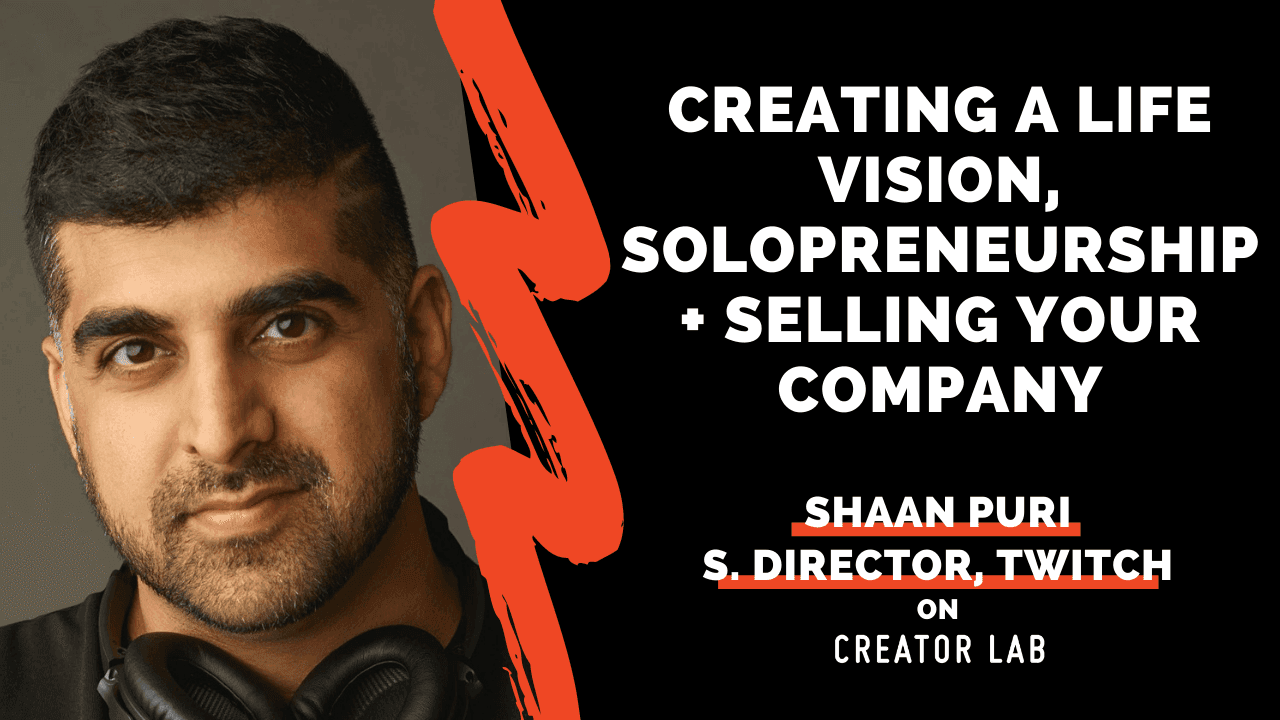 № 070Exhibit A
Shaan Puri
A podcast with a loyal niche audience let Shaan Puri spin up a $4M rolling fund and turn listeners into LPs, then into deal flow.
Open file ▸ № 071Exhibit A
Carina Hong
$64 million in under 12 months for an AI mathematician that checks its own proofs, plus a $300 million valuation before a public launch playbook.
Open file ▸Armaan Kohli
AntWalk turned a niche expert network into 1M plus content views and over 20K users, then rode that traction into a Series A funded learning business.
Open file ▸Sasha Matijasevic
By stitching AI into existing partner products instead of chasing standalone downloads, Sasha Matijasevic turned enterprise collaborations into his primary user acquisition engine and investor pipeline.
Open file ▸Surya Midha
A 22 year old college dropout helped raise $350M for Mercor, drove it to a $10B valuation, and turned a dorm room side project into a recruiting backbone for top AI labs.
Open file ▸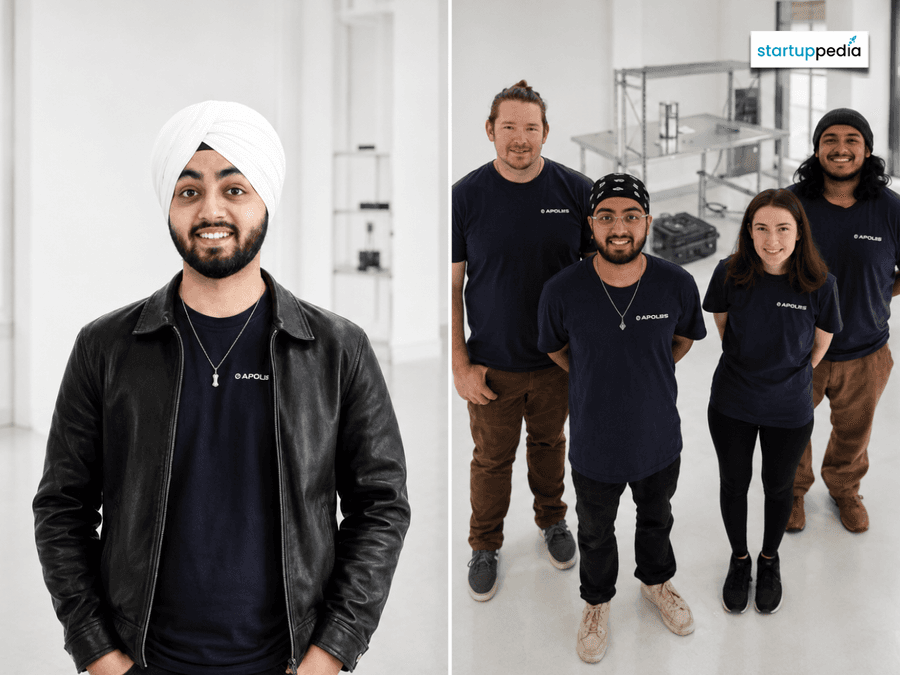 № 075Exhibit A
Onkar Singh Batra
$4.3 million raised by 19 to fix satellite blackouts in low Earth orbit, turning a school science project from Jammu into a Y Combinator backed space network valued at $45 million.
Open file ▸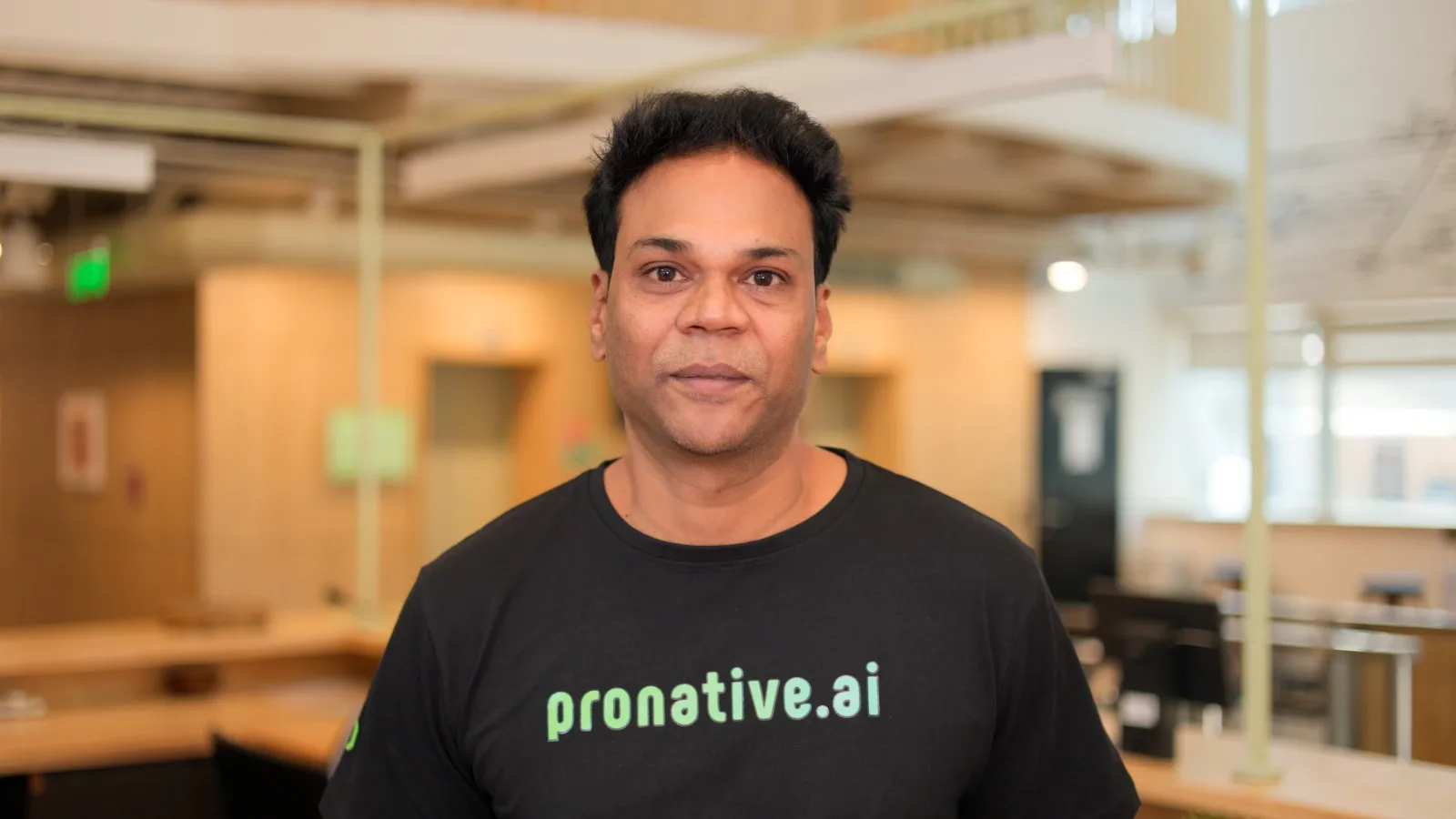 № 076Exhibit A
Suhas Madan
A veteran engineer turned pronative.ai into an enterprise agentic AI platform that attracted venture money by landing real customers through deep cloud partnerships instead of ads.
Open file ▸ № 077Exhibit A
Shadman Sakib
Over $30 million in capital and a 35 person team later, Shadman Sakib turned Vurse into a distribution magnet by tying his AI media platform directly into TikTok programs, telcos, and regional brands instead of chasing individual users.
Open file ▸ № 078Exhibit A
Sanjjna Parulekar
Salesforce’s AI agents platform landed inside thousands of existing enterprise workflows and unlocked a new partner revenue stream by turning prebuilt agents into a marketplace product, without asking customers to rip out their CRM.
Open file ▸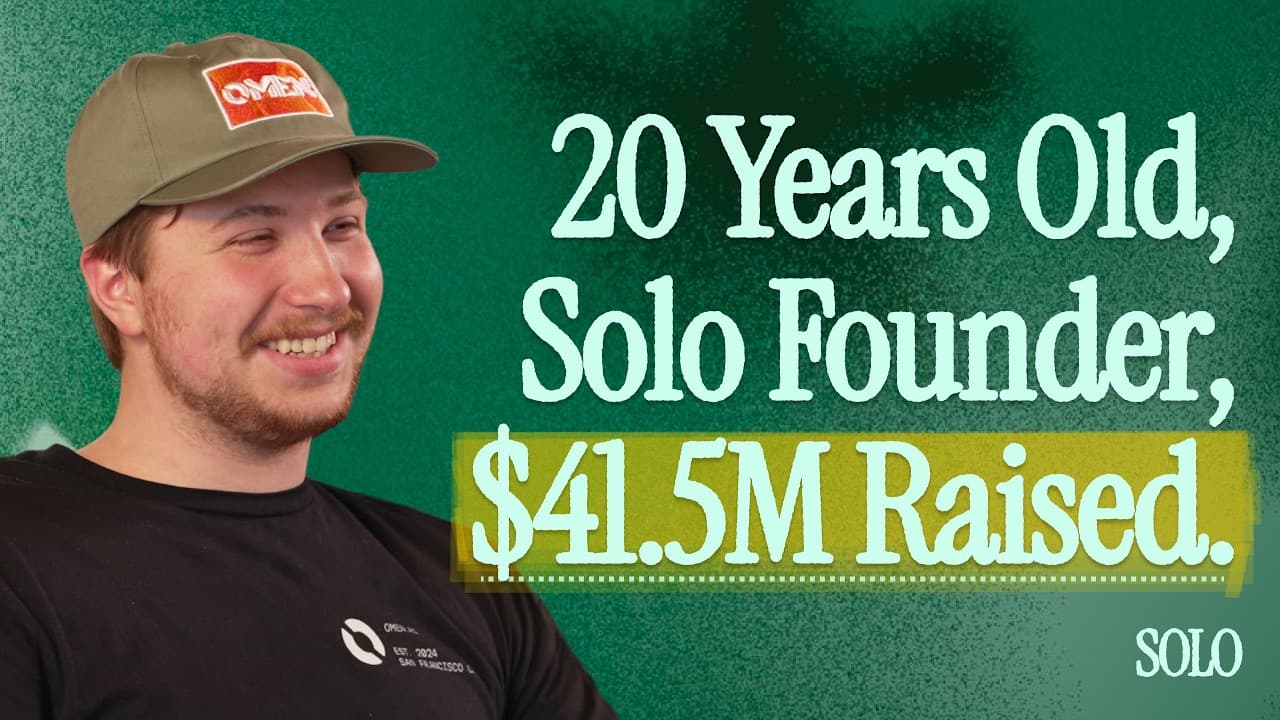 № 079Exhibit A
Zach Laberge
$41.5M raised by age 20 to put spectroscopic sensors into AI data center coolant and stop million dollar outages before they happen.
Open file ▸Arlan Rakhmetzhanov
An 18 year old high school dropout personally installed his AI dev tool on laptops around San Francisco and turned it into a YC backed startup with a $6.2M seed round led by CRV, BoxGroup, and LocalGlobe.
Open file ▸ № 081Exhibit A
Aman Sanger
$1B+ in annualized revenue in under four years, a $2.3B mega round, then a $60B acquisition by SpaceX: Aman Sanger turned an AI coding tool into one of the fastest growing developer platforms on the planet.
Open file ▸ № 082Exhibit A
Simone Braun
One researcher quietly shaped the data behind how countries think about kids running businesses, by building one of the only datasets on entrepreneurship of minors in Germany.
Open file ▸ № 083Exhibit A
Michael Truell
A college side project hit $100M ARR in about a year, then sold to SpaceX in a $60B deal that turned Michael Truell into a billionaire at 25.
Open file ▸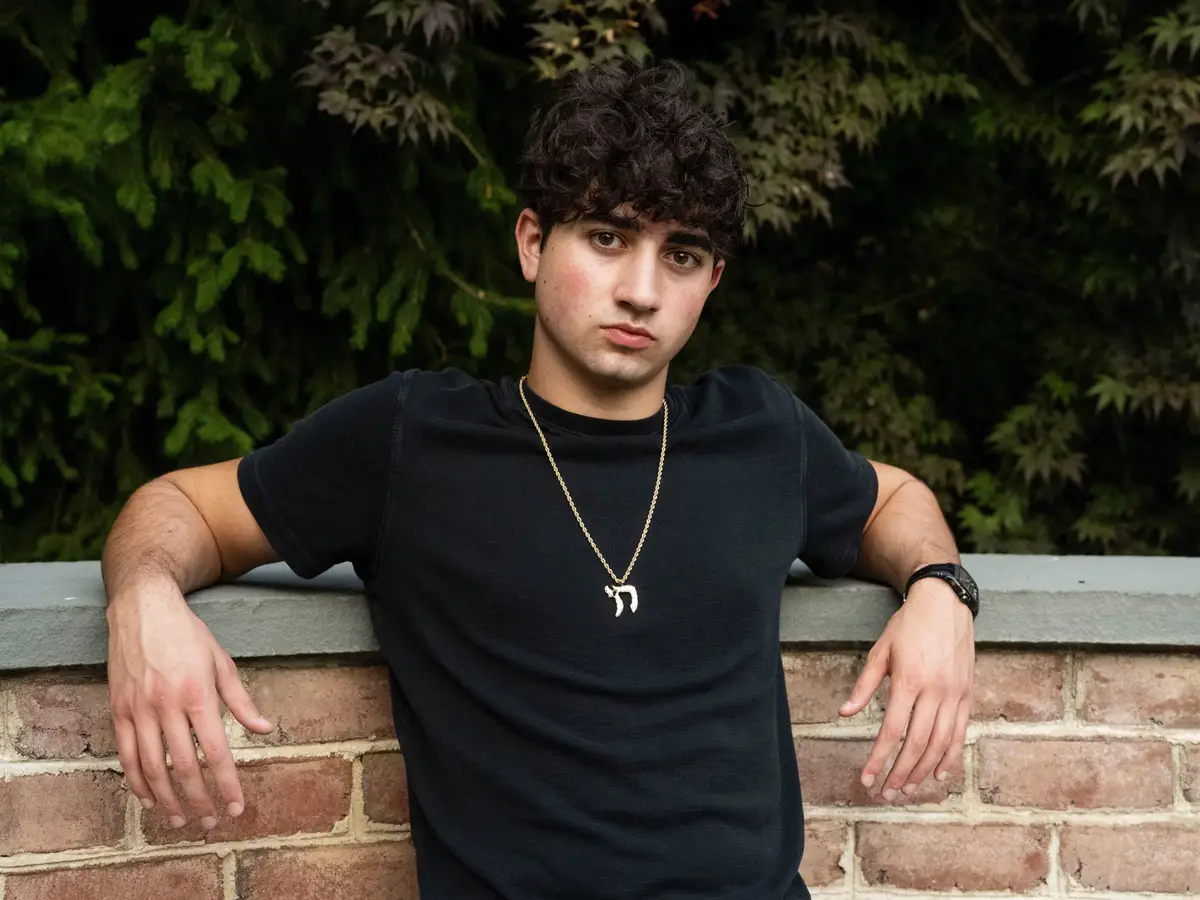 № 084Exhibit A
Zach Yadegari
By 18, Zach Yadegari turned an AI nutrition app into roughly $30 million a year in revenue, then flipped it and spun up a new project to $4 million ARR in its first month.
Open file ▸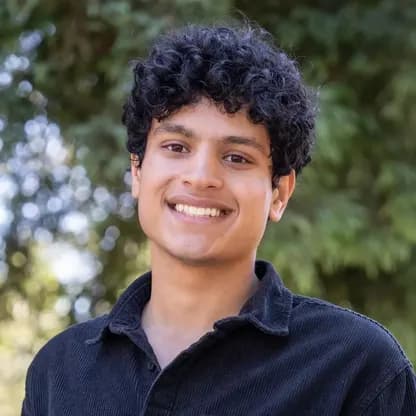 № 085Exhibit A
Adarsh Hiremath
$70M ARR in 24 months, a $100M Felicis-led round at a $2B valuation, then a $350M raise that pushed Mercor to a $10B price tag while the founders were still 22.
Open file ▸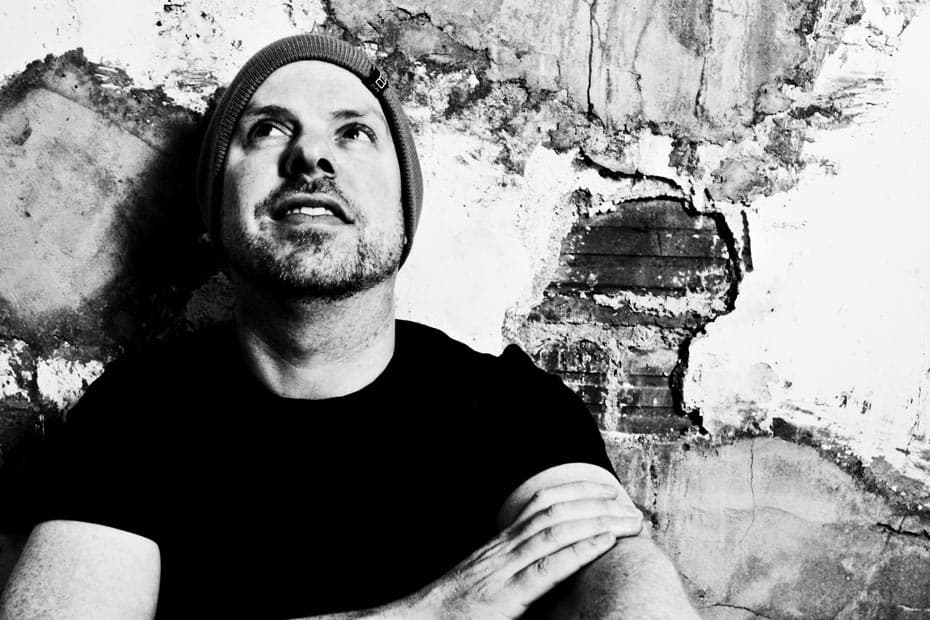 № 086Exhibit A
Sean Horton
He grew Decibel Festival from a 2,500 person party into a world class electronic music institution without a single investor, grant, or paid ad.
Open file ▸Abhinav Sriram
With 15 years in banking, tech, and healthcare, Abhinav Sriram crossed into AI project management to ship EmpowerU for schools without the usual startup hype or venture backing.
Open file ▸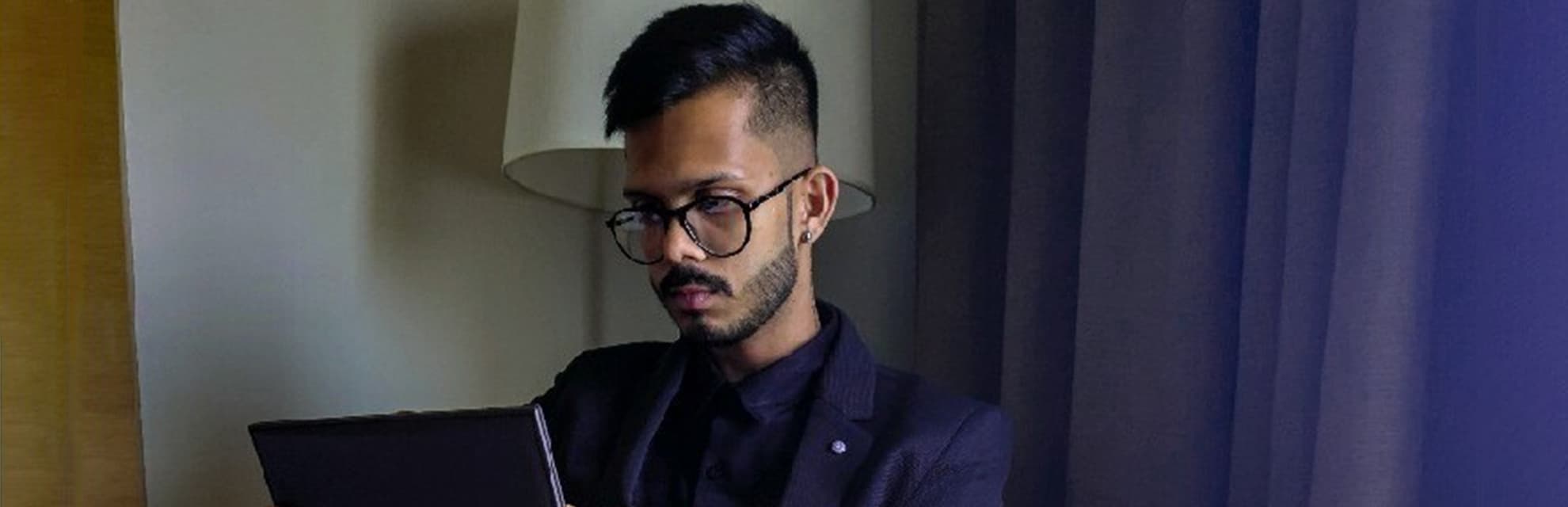 № 088Exhibit A
Saket Pathak
One student project turned into 15,000 books donated and 25,000 kids reached, all routed through an AI powered learning platform that started as a nonprofit experiment.
Open file ▸Maia Bouchier
There is no evidence that Maia Bouchier has built or scaled an AI product, raised startup funding, or grown a user base for any AI company.
Open file ▸Rumman Chowdhury
Rumman Chowdhury turned a niche idea about community AI audits into a nonprofit that large institutions invite into closed model evals, despite never playing the classic blitzscaling game.
Open file ▸Advait Mutalik
Turbo AI hit 5 million users in 6 months, bootstrapped and already profitable, off a $0 paid ads launch and one viral TikTok that turned campus FOMO into a national growth engine.
Open file ▸Pi Castronova
Pi Castronova turned an AI code security idea into a $35M funded platform that promises to fix vulnerabilities as fast as developers ship code.
Open file ▸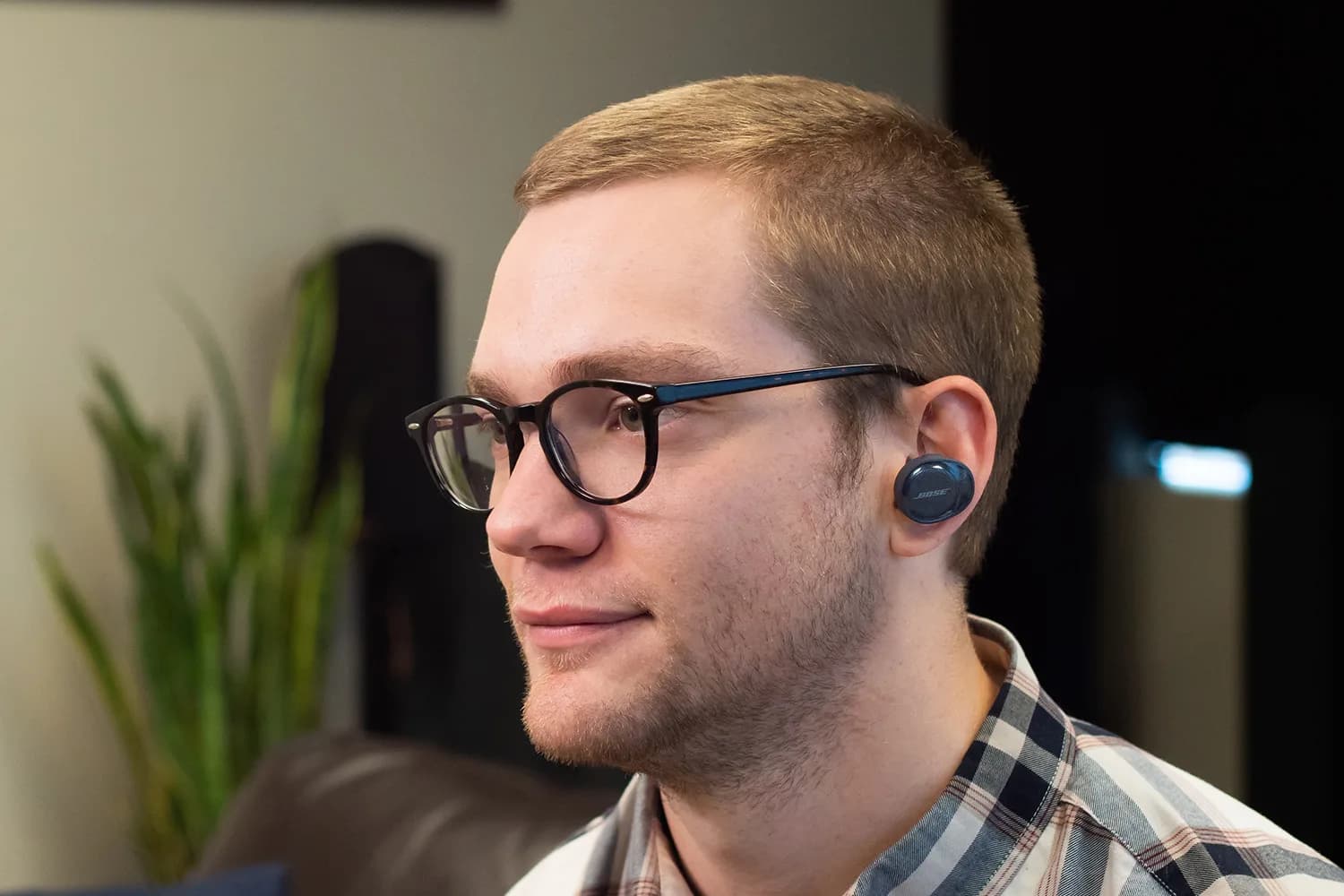 № 093Exhibit A
Ritwik Bose
SOND walked out of stealth with $7M committed to AI sleep earbuds before most people had even heard the name.
Open file ▸ № 094Exhibit A
Ritwika Chowdhury
Unscript AI helped e commerce brands drive $483,940 in sales with AI generated product videos, then scaled to 10 million users in 190 countries without a human film crew.
Open file ▸ № 095Exhibit A
Nisav Patel
300,000 users in a few months from a cold start, then a strategic AI partnership with HighLevel that turned his playbook into a distribution engine.
Open file ▸ № 096Exhibit A
Rohit Manda
Project Manda analyzed millions of meeting hours and turned a 12% average reduction in meetings into $3.26 million of early capital from selective VCs looking for real productivity gains.
Open file ▸ № 097Exhibit A
Sreeram Kannan
A $50 million round led by Blockchain Capital turned EigenLayer from an obscure restaking idea into one of the most watched attempts to make Ethereum feel like a centralized cloud provider.
Open file ▸ № 098Exhibit A
Shaan Sethi
$15 million of growth equity and multiple $500,000 revenue days, built off 5,000 front line clinicians telling Jaanuu exactly what to make next.
Open file ▸ № 099Exhibit A
Vedanth Subramanian
A high school founder used a simple school to school outreach loop to turn a niche AI club idea into a national student network in progress, with chapters spinning up before any formal funding.
Open file ▸