Ryder Tully
Age 0 · · founder of Ryder One
$3.2 million in seed money from Tim Draper bought Ryder One a shot at rewriting crypto wallet UX by killing the seed phrase and replacing it with tap based recovery.
 № 038Exhibit A
The Setup
Ryder was built around a simple observation that kept coming up in every web3 conversation: normal people do not want to memorize or safely store a 24 word seed phrase. That one UX flaw is responsible for billions of dollars in lost or stolen assets and it stops non technical users from ever touching self custody. Instead of building another software wallet with the same mental model, the team decided to rethink the recovery flow itself and make it feel more like tap to pay on a phone.
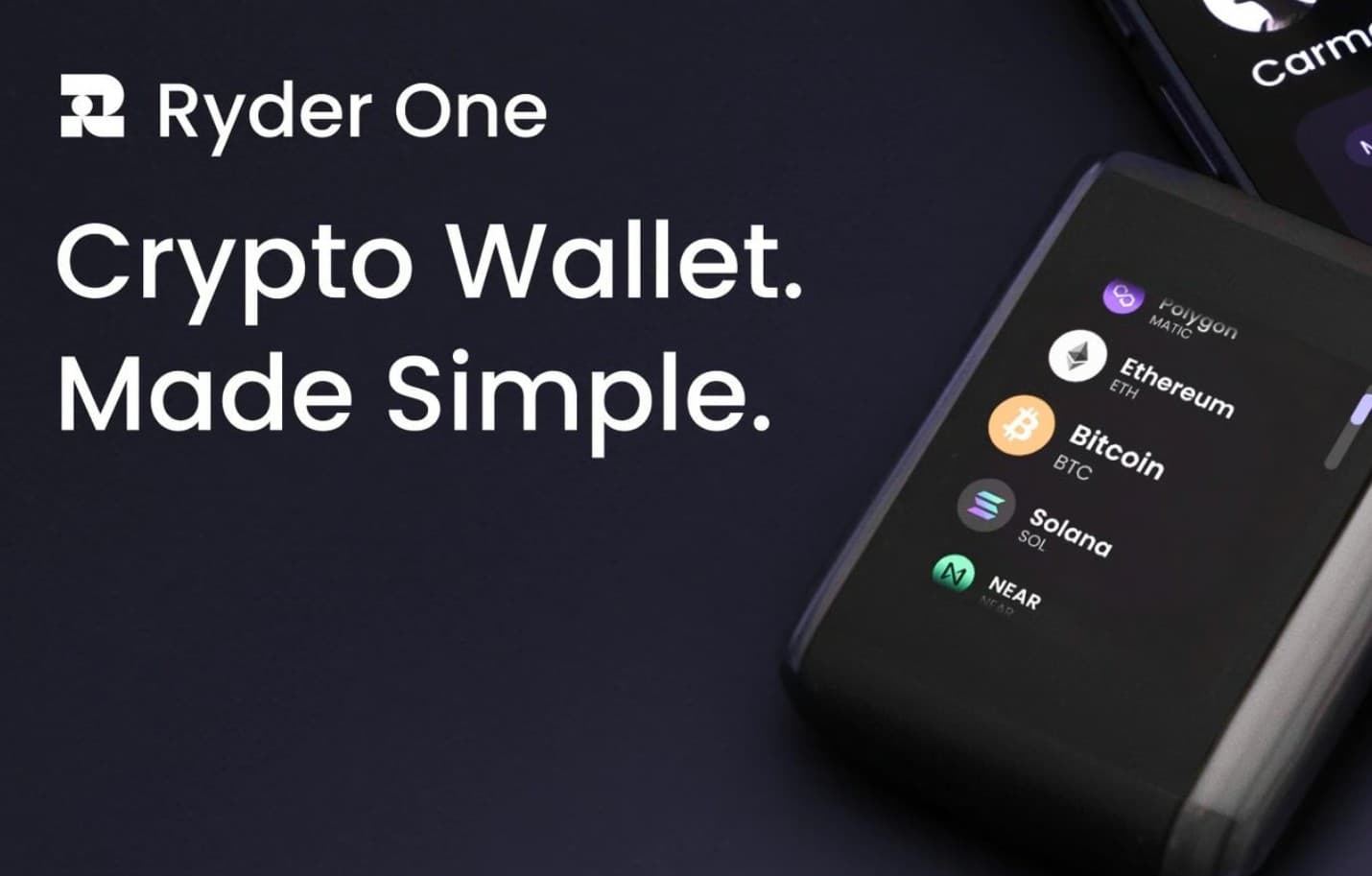
The result is Ryder One, a consumer friendly hardware wallet that promises crypto security in 60 seconds or less and introduces TapSafe recovery. Rather than asking users to hide a seed phrase, Ryder One lets them shard recovery across trusted devices and taps so that backup feels physical and intuitive. The founder, Ryder Tully, leaned into the gap between hardcore crypto users and everyone else and framed the company as the easiest way to hold your own keys without feeling like an engineer.
The Evidence
The clearest proof that this positioning works is the $3.2 million seed round led by billionaire investor Tim Draper, who rarely backs pure hardware plays unless there is a strong story about changing a category. In the official announcement, Ryder positions Ryder One as the easiest to use crypto hardware wallet and quotes investors like Joe McCann pointing out that complicated interfaces are a known barrier to entry in web3. McCann explicitly calls out that removing the seed phrase both simplifies the experience and removes a major security vulnerability, which is the exact wedge the team chose to own.
The language across Ryder's blog and investor commentary is consistent: set up a secure wallet in under a minute, remove the seed phrase, and ship a product that feels as simple as tap to pay. That narrative is not about speculative tokens or trading, it is about safe onboarding for the next wave of users. By framing their hardware as the first wallet that regular people can trust without a crypto manual, Ryder earned a funding syndicate that wants to bet on mass adoption rather than another niche DeFi tool, and that credibility now feeds back into marketing and partnerships.
The Mechanism
1. Start with a mainstream fear, not a crypto flex. Ryder anchored the product story on the pain of seed phrases, lost keys and confusing wallet flows, then showed how TapSafe changes the recovery game instead of pitching yet another coin or protocol.
2. Translate deep security into one clear promise. Everything in the Ryder One narrative compresses to a single line that investors and users can repeat: crypto level security in 60 seconds, with no seed phrase to remember. That makes the pitch easy to pass along inside VC networks and among early adopters.
3. Use investor voices as distribution. By getting Tim Draper to lead and by publishing detailed quotes from operators like Joe McCann about UX and safety, Ryder turned its seed announcement into a content asset. Those third party takes spread across blogs, social posts and deal emails, giving Ryder far more reach than a typical hardware wallet launch.
The Steal
- Pick a single scary failure mode in your space and design your whole product story around eliminating it so investors and users immediately grasp why you exist.
- Compress your technical edge into one repeatable promise that any third party can explain in one sentence without a demo.
- When you close a credible round, script investor quotes that highlight your core wedge and bake them into launch content so every share carries your positioning.
Case Questions
- How did Ryder Tully grow Ryder One?
- Ryder Tully grew Ryder One by attacking the most intimidating part of self custody, the seed phrase, and turning that into his main marketing wedge. By designing TapSafe recovery and framing the hardware wallet as crypto security in 60 seconds with no seed phrase, he gave investors and early adopters a simple story to share, which paid off in a $3.2 million seed round led by Tim Draper and strong word of mouth in web3 circles that care about onboarding non technical users.
- What does Ryder One do?
- Ryder One is a consumer focused crypto hardware wallet that aims to make self custody as simple as using tap to pay on a phone. It lets users set up secure storage for their digital assets in under a minute and replaces traditional seed phrase backups with TapSafe recovery, which spreads recovery across trusted taps so people do not need to memorize or hide a 24 word phrase.
- How much funding did Ryder raise for Ryder One?
- Ryder raised a $3.2 million seed round to scale Ryder One. The round was led by Tim Draper and is explicitly earmarked for ramping up production of the hardware wallet and funding marketing to reach users who are put off by current web3 wallet complexity.
- Is Ryder One focused on AI or crypto?
- Ryder One is fundamentally a crypto hardware wallet, but it is often discussed in the broader context of young founders building security and infrastructure products. The core product is about safer key management and simpler user experience for digital assets, not about training or serving AI models.