Sean Horton
Age 0 · Seattle, United States · founder and curator of Decibel Festival
He grew Decibel Festival from a 2,500 person party into a world class electronic music institution without a single investor, grant, or paid ad.
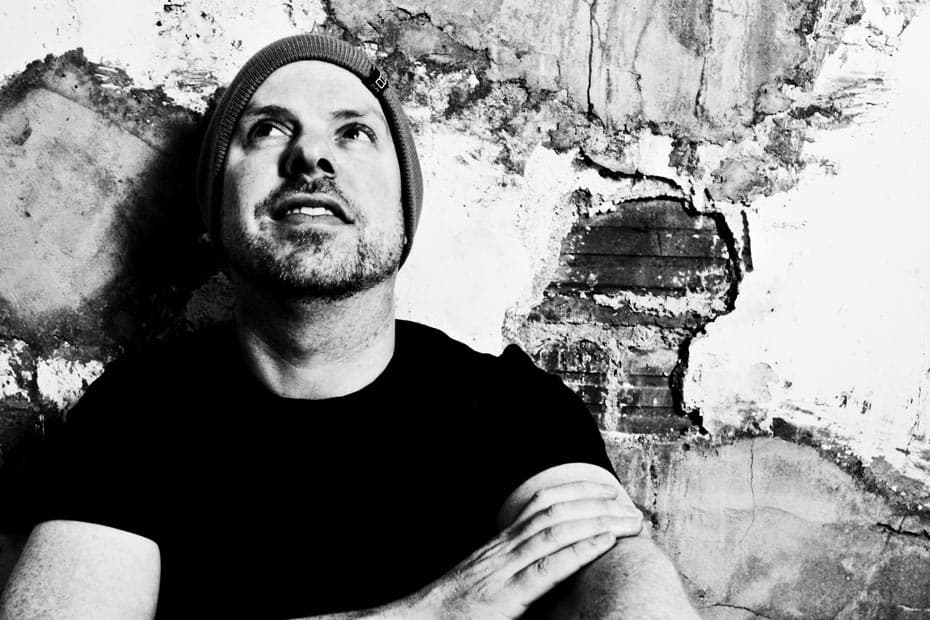 № 086Exhibit A
The Setup
Sean Horton built Decibel Festival as a long game in community first growth, not as a venture backed events property chasing sponsorship dollars. From the first 2,500 person edition he framed it as a volunteer powered, Pacific Northwest rooted platform for electronic music and digital arts, which let him operate cheaply and stay close to the scene he was serving.
Instead of pitching investors or chasing big brands, Horton invested into relationships with artists, local crews, and early fans who wanted a serious home for underground and experimental sounds. That positioning attracted talent that normally skipped Seattle, and it turned Decibel into a magnet for both local heads and international acts who cared about curation more than billboards.
The Evidence
In interviews Horton is explicit that Decibel remained a volunteer based organization from day one and that the festival grew into a respected global event without investors, major sponsorships, grants, or outside funding. He credits the festival team and the Pacific Northwest electronic music community as the core engine that scaled attendance and reputation over more than a decade, which is consistent with the way the lineup and venues leaned heavily on local partners.
On LinkedIn he explains how he used Facebook early, between roughly 2006 and 2010, to grow Seattle's underground electronic music community with organic posts, events, and groups before the platform shifted into a pay to play model. By 2011 he had soured on Facebook as a distribution channel because unpaid reach collapsed, which pushed him back toward owned community channels and word of mouth instead of performance marketing. The through line is a builder who repeatedly traded short term reach for long term control over his audience.
The Mechanism
1. Community as capital. Horton treated the Seattle and wider Pacific Northwest electronic music community as his primary investor, not a line item in a sponsorship deck. By giving volunteers real responsibility, letting local crews and artists shape the bill, and being transparent about the lack of corporate backing, he turned fans into operators who had a personal stake in filling rooms and spreading the word.
2. Curation as distribution. Decibel did not try to be the biggest festival, it tried to be the most credible for a specific slice of electronic music and digital art. That focus made every lineup announcement into distribution, because artists and labels were proud to share they were playing a festival that had earned trust among heads, which compounded into organic press and international recognition without a marketing budget.
3. Early platform arbitrage, then exit. Horton rode Facebook hard when it was still free reach, building groups and events that concentrated Seattle's underground scene between 2006 and 2010. When the feed shifted toward paid placement and advertisers, he recognized that his organic reach was effectively being taxed, so he pulled back and doubled down on direct channels, email, and in person community that he could not be priced out of later.
The Steal
- Treat your niche community like your lead investor and design your product so volunteers, power users, and early adopters earn status and ownership by helping it grow.
- Use sharp curation to turn every participant, collaborator, or integration into a distribution node that proudly markets their association with you for free.
- Exploit new platforms while they are cheap and organic, but do not build your core audience on any channel that can unilaterally throttle or charge you for access.
Case Questions
- How did Sean Horton grow Decibel Festival?
- Sean Horton grew Decibel Festival by keeping it volunteer based, community funded, and tightly curated for a serious electronic music audience. He leaned on the Pacific Northwest electronic music community for staff, venues, and word of mouth instead of investors or big sponsors, which kept costs low and loyalty high as the festival scaled.
- Did Decibel Festival have outside funding or big sponsors?
- Horton has said clearly that Decibel grew without investors, large sponsorships, grants, or outside funding. The festival relied on ticket revenue, modest partnerships, and a deep pool of volunteers rather than the usual mix of brand activations and VC backed growth that many large events depend on.
- How did Sean Horton use Facebook to build Seattle's underground electronic music community?
- As an early Facebook adopter, Sean Horton used events, groups, and personal profiles to organize and promote underground shows in Seattle between about 2006 and 2010. Once Facebook shifted toward a pay to play model and throttled unpaid reach, he concluded that the platform no longer helped his projects and stepped back, choosing more direct and community owned channels instead.
- Who is Sean Horton outside of Decibel Festival?
- Outside of founding and curating Decibel Festival, Sean Horton works as a producer and engineer and stays active in electronic music scenes in places like Seattle, Los Angeles, Detroit, and Joshua Tree. His public profiles show a through line of curation, audio work, and community building rather than pure event promotion.