Alexandr Wang Jr.
Age 29 · San Francisco, United States · cofounder of Scale AI and chief AI officer at Meta
A 19 year old dropout turned a scrappy data labeling API into a $29B strategic asset that forced Meta to buy in and put him in charge of its Superintelligence Labs.
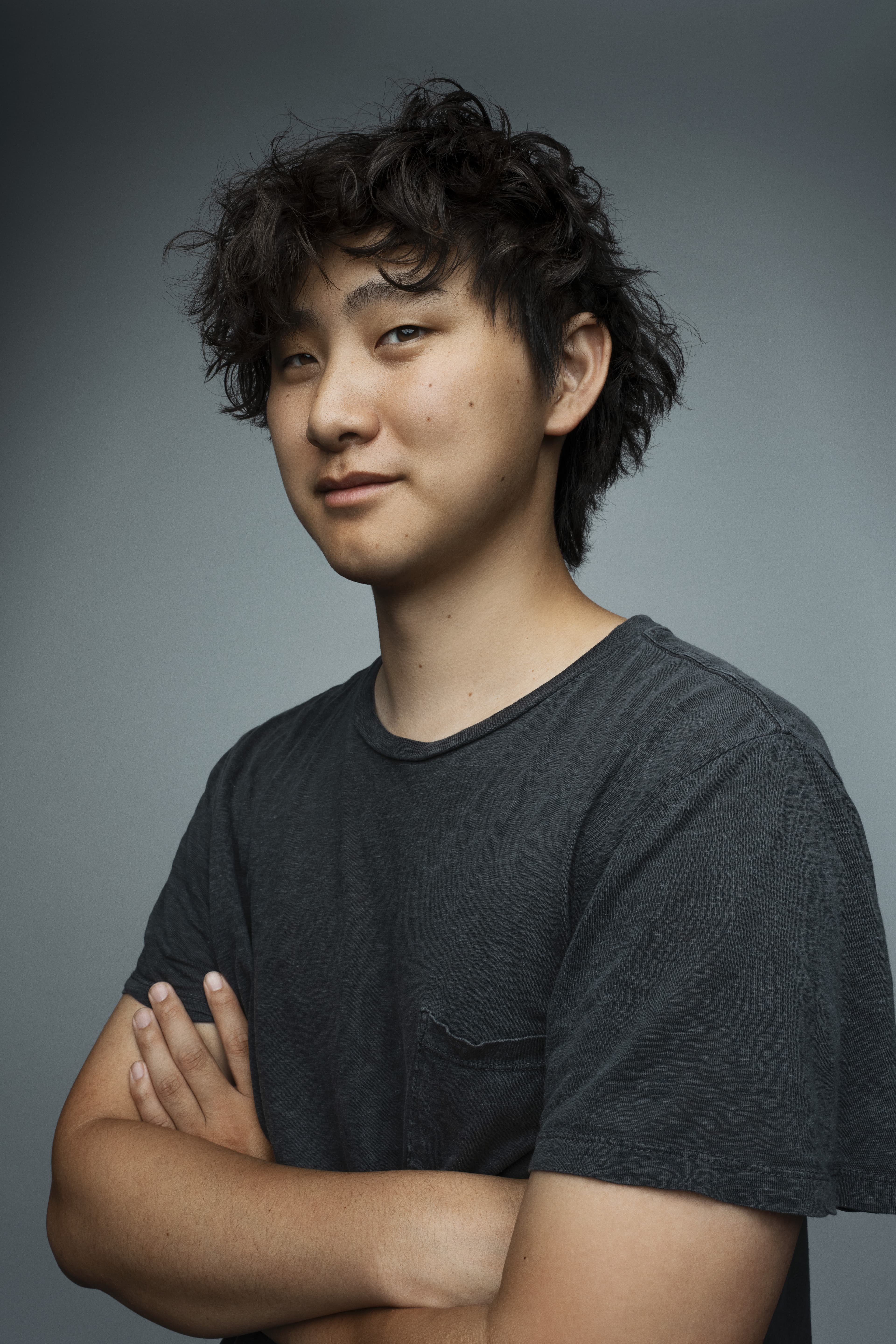 № 057Exhibit A
The Setup
Alexandr Wang grew up in New Mexico, landed full time engineering jobs in Silicon Valley as a teenager, then dropped out of MIT after his freshman year to chase machine learning full time. Instead of building yet another model, he spotted a more boring bottleneck that everyone else was ignoring: labeled data and the infrastructure to feed it into production systems at scale.
In 2016, at 19, he cofounded Scale AI as what he described as an API for human intelligence that could handle the tedious labeling work for self driving teams. That wedge looked small to early investors who thought self driving was too narrow, but Wang correctly bet that if you owned the data firehose for one frontier AI use case you could expand into every other high value domain that needed training data and evaluation.
The Evidence
The first proof of distribution power came from going straight at the hungriest customers in the world, self driving car companies that were drowning in sensor data and had money to spend. Within months of launch, Scale AI was serving names like Uber and Alphabet, and inbound from a Cruise Automation engineer via YC connections turned into a flagship contract that validated the product with the entire autonomy segment.
From there Wang kept climbing up market, selling the same core capability to OpenAI, Google, and eventually the Pentagon as defense programs realized they needed industrial scale labeled data and red teaming for AI systems. By 24 he was the youngest self made billionaire, and by 2024 Scale AI was reportedly doing around $870 million in revenue as customers treated it as critical infrastructure rather than a replaceable vendor.
That positioning paid off when the foundation model race accelerated and hyperscalers wanted to lock down their supply chains. In 2025 Meta bought 49 percent of Scale in a deal that valued the company around $29 billion, and then hired Wang as chief AI officer to run its Superintelligence Labs, effectively turning a former infrastructure supplier into the person setting Meta's long term AI strategy.
The Mechanism
1. Start at the pain point every frontier team feels but no founder wants to own. Wang ignored the glamorous model layer and instead built a boring but indispensable data pipeline that solved labeling, quality control, and routing to cheap or expert labor, which made Scale AI impossible to rip out once it was wired into a customer's workflows.
2. Land with one desperate vertical, then use their logos as your outbound sales deck for everyone else. Self driving teams were the first wedge, but Wang systematically turned early wins with Uber, Alphabet, and Cruise into social proof that opened doors at other autonomy companies, then at big tech labs, and finally at government buyers that do not move without seeing that kind of reference stack.
3. Turn infrastructure into leverage over the ecosystem, then sell that leverage to the highest bidder. By owning the data and evaluation rails used by OpenAI, Google, and the Pentagon, Wang made Scale AI strategically dangerous for any foundation model competitor to ignore. Meta did not just write a big check, it effectively neutralized a risk and acquired a founder whose distribution now runs through one of the largest consumer platforms on earth.
The Steal
- If everyone is chasing the visible gold rush, look one layer down for the unsexy bottleneck that every winner must pay for and build there.
- Anchor your first version in a single high pain, high budget vertical, then turn their logos and case studies into the sales script for the rest of the market.
- Treat infrastructure as a power position, not a service, and design contracts, integrations, and product scope so that ripping you out feels riskier than paying you more.
Case Questions
- How did Alexandr Wang grow Scale AI?
- Alexandr Wang grew Scale AI by focusing on the unglamorous but critical problem of labeled data and building an API and workflow layer that plugged directly into customers' ML pipelines. He landed early self driving customers like Uber and Alphabet, then leveraged those logos to win larger enterprise and government accounts including OpenAI, Google, and the Pentagon, which turned Scale AI into essential AI infrastructure and enabled rapid revenue growth.
- How old is Alexandr Wang and when did he become a billionaire?
- Alexandr Wang was born in January 1997, which makes him 29 in 2026. He became the world's youngest self made billionaire at age 24, after the value of his stake in Scale AI crossed the billion dollar mark as the company scaled revenue and closed major enterprise and government deals.
- How much funding and valuation did Scale AI reach before the Meta deal?
- Public reports note that by 2024 Scale AI was doing roughly $870 million in annual revenue and was valued around $29 billion when Meta acquired 49 percent of the company in 2025. While venture funding totals are not highlighted in the cited sources, the valuation and revenue numbers show that the company had effectively graduated from startup to strategic infrastructure by the time of the Meta transaction.
- What does Scale AI do and what is Alexandr Wang's role now?
- Scale AI provides data labeling, tooling, and large language model evaluation services so that companies and government agencies can train and test AI systems using high quality structured data. Alexandr Wang is the cofounder and former CEO of Scale AI, and since 2025 he has been chief AI officer of Meta Platforms, where he leads its Superintelligence Labs while Meta holds a large minority stake in Scale.
Evidence Log
- Wikipedia — Alexandr Wang
- Forbes profile — Alexandr Wang
- YC Library — Alexandr Wang on building Scale AI
- Substack — How a 19-Year-Old Boy Built a $7B+ Business
- LinkedIn — Alexandr Wang's $14.3B lesson on AI data and independence
- CNBC — AI billionaire Alex Wang: Teens should spend all of your time on this